moteur pas à pas et moteur à courant continu
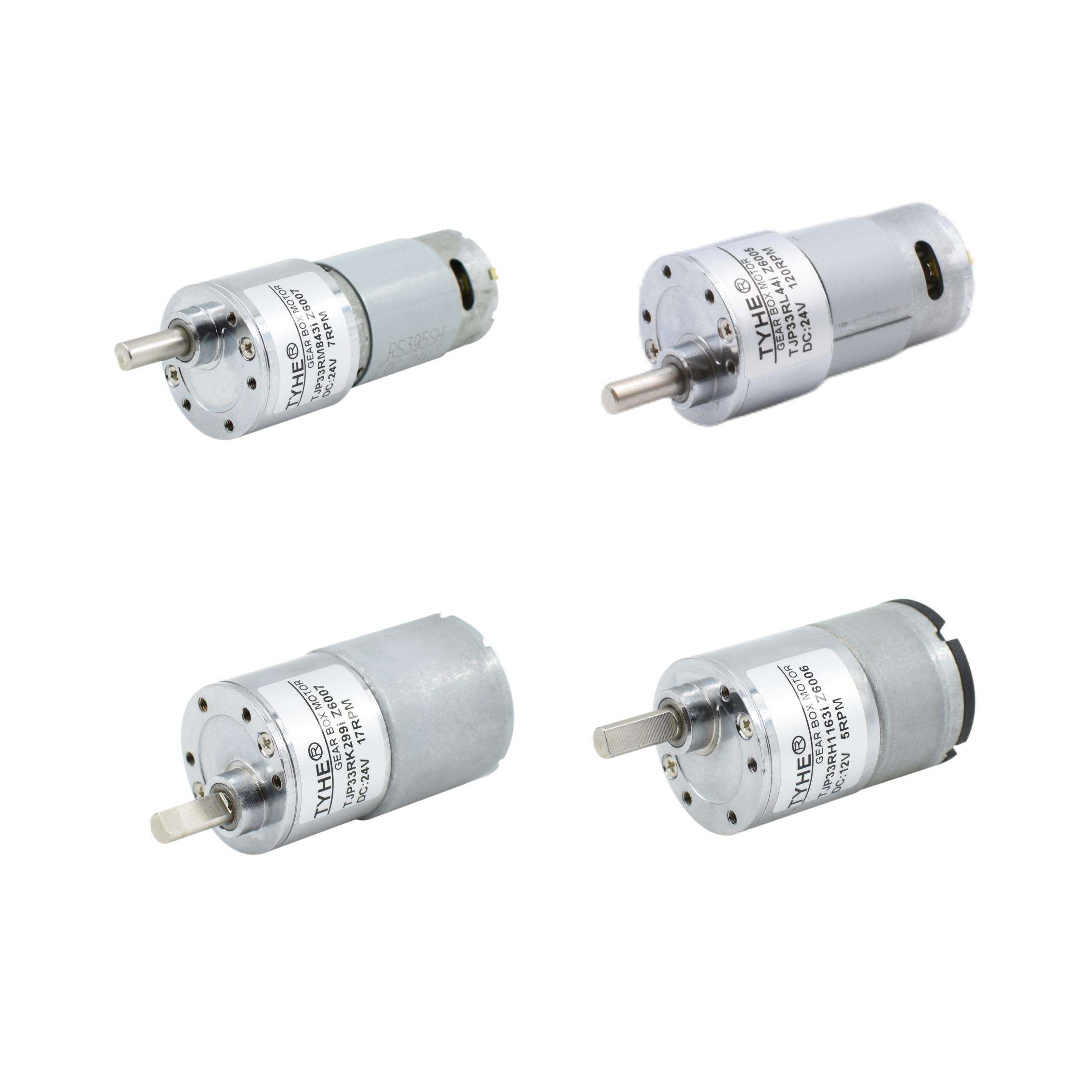
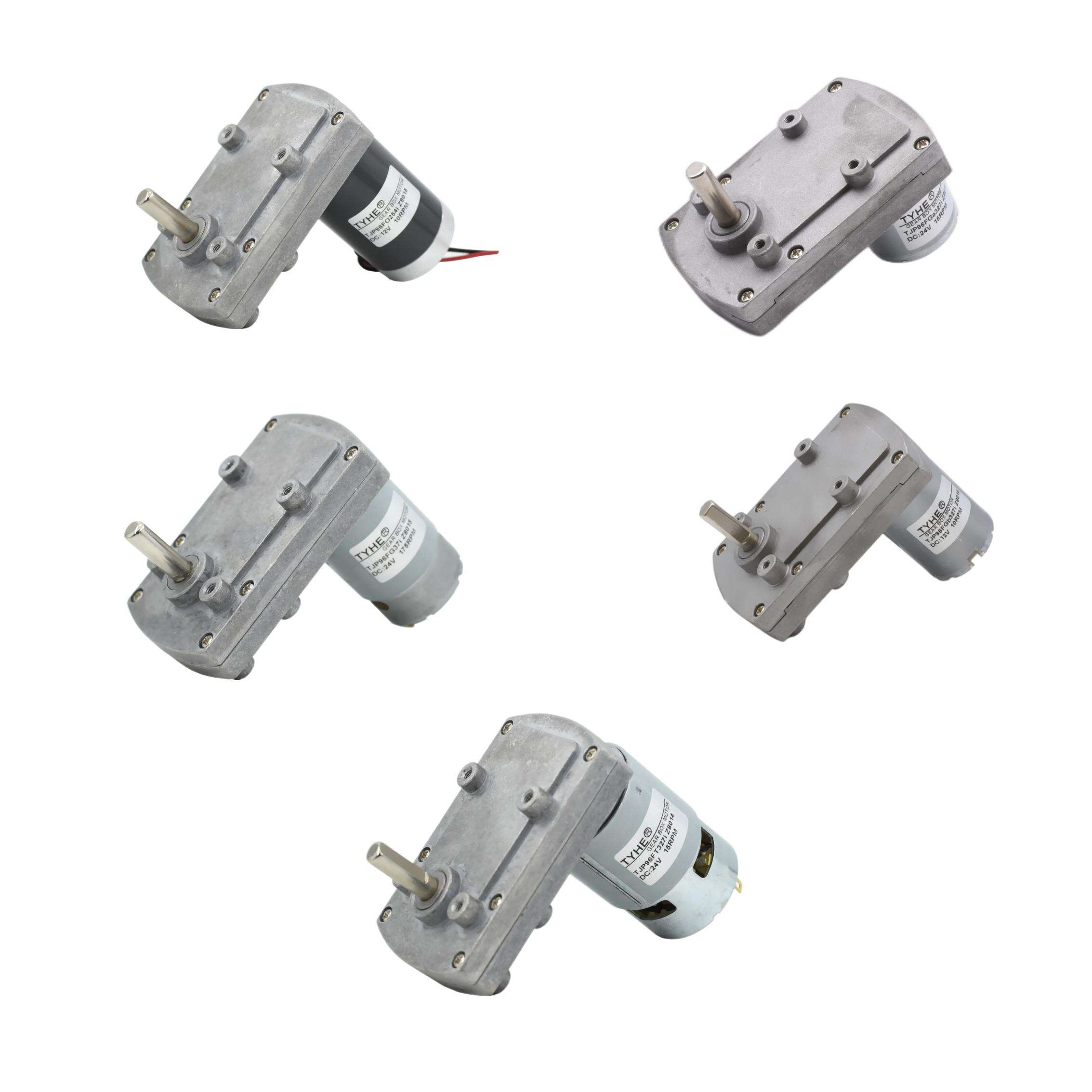
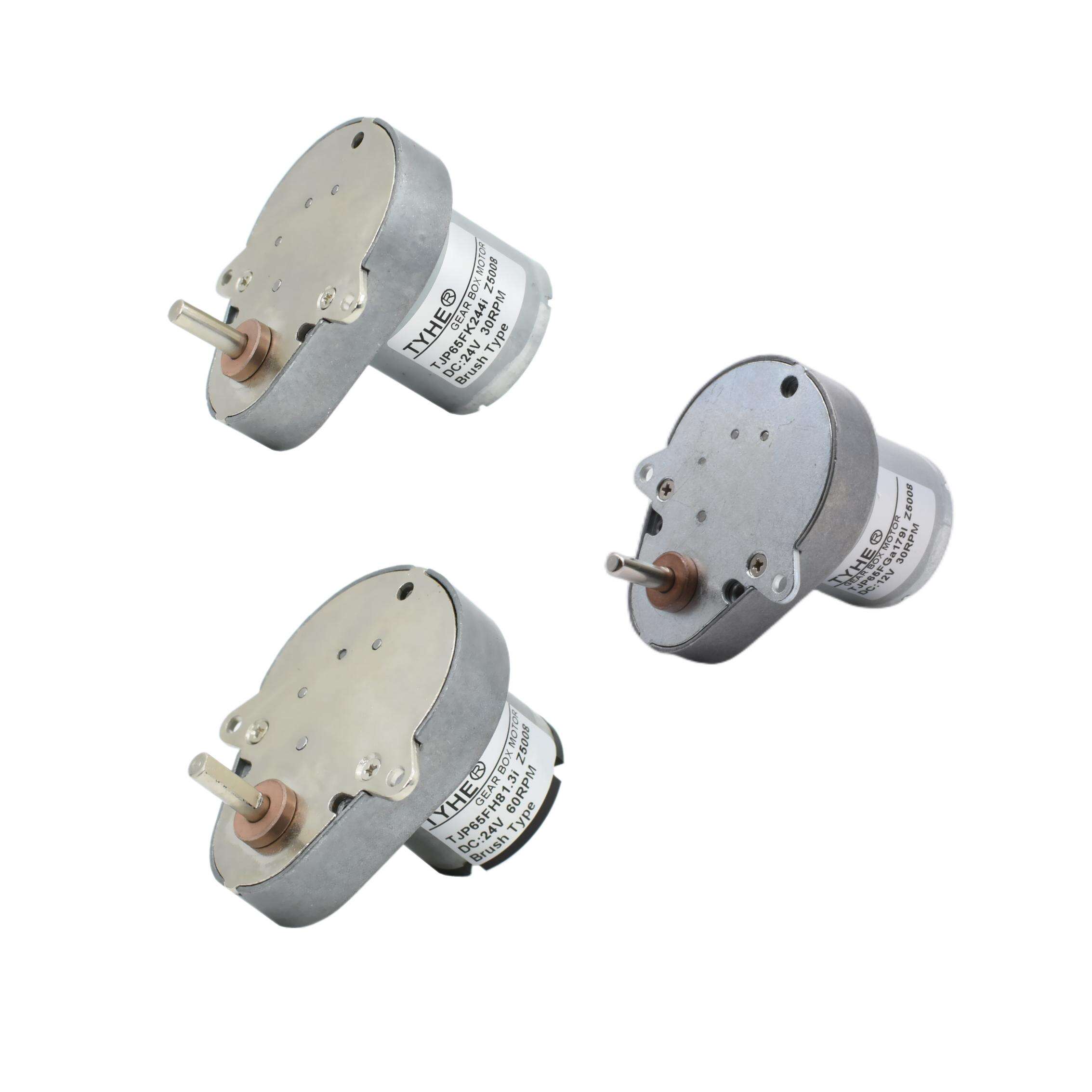
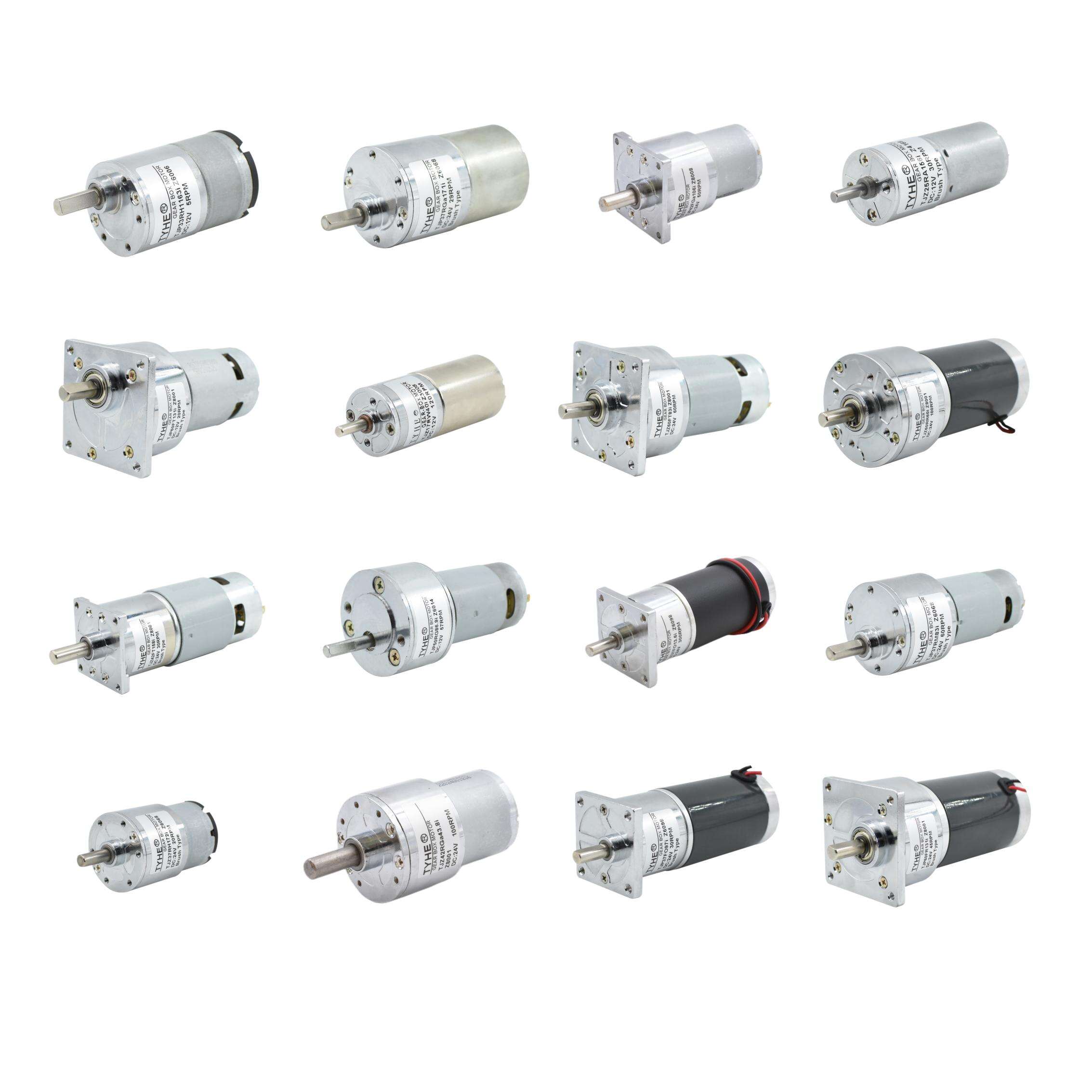
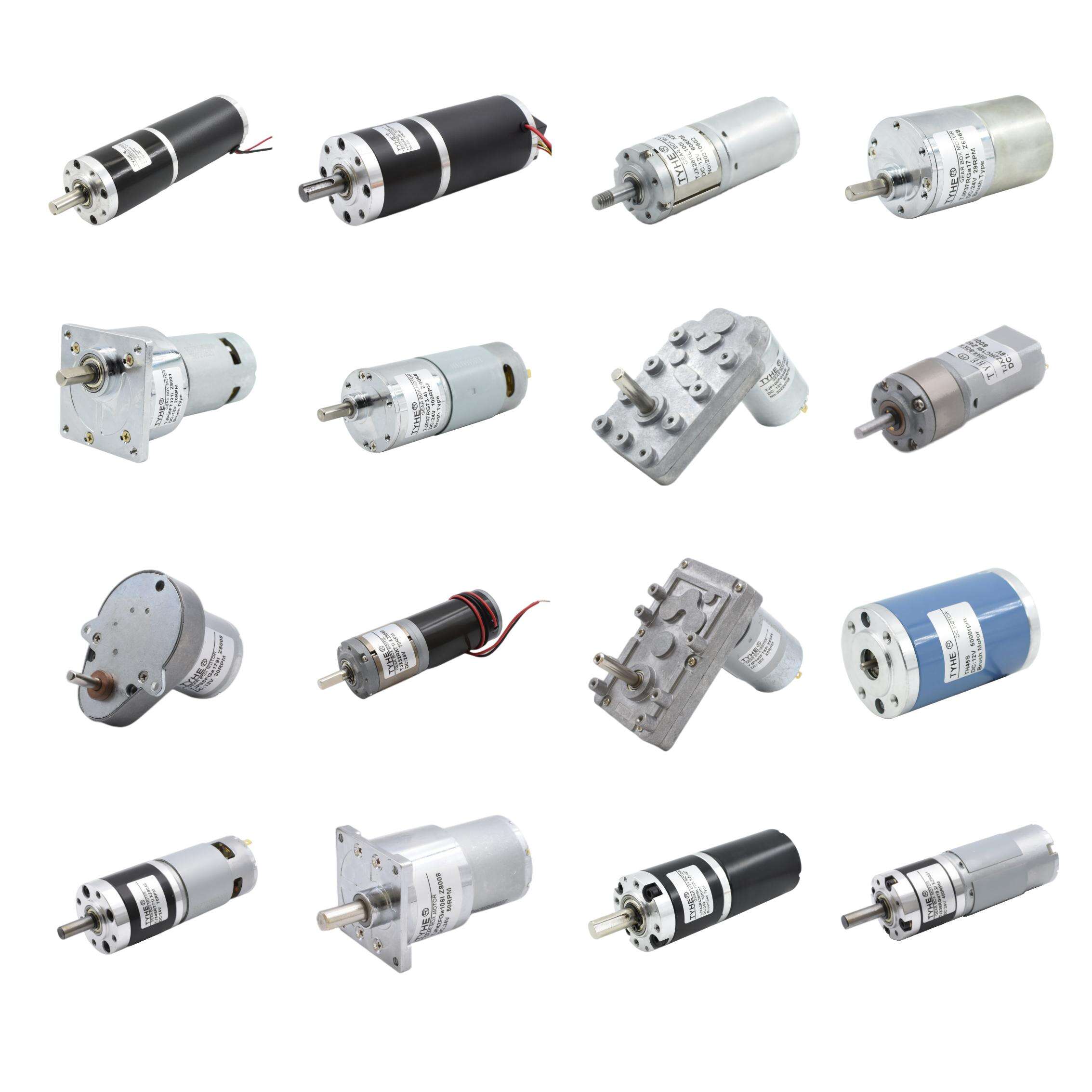
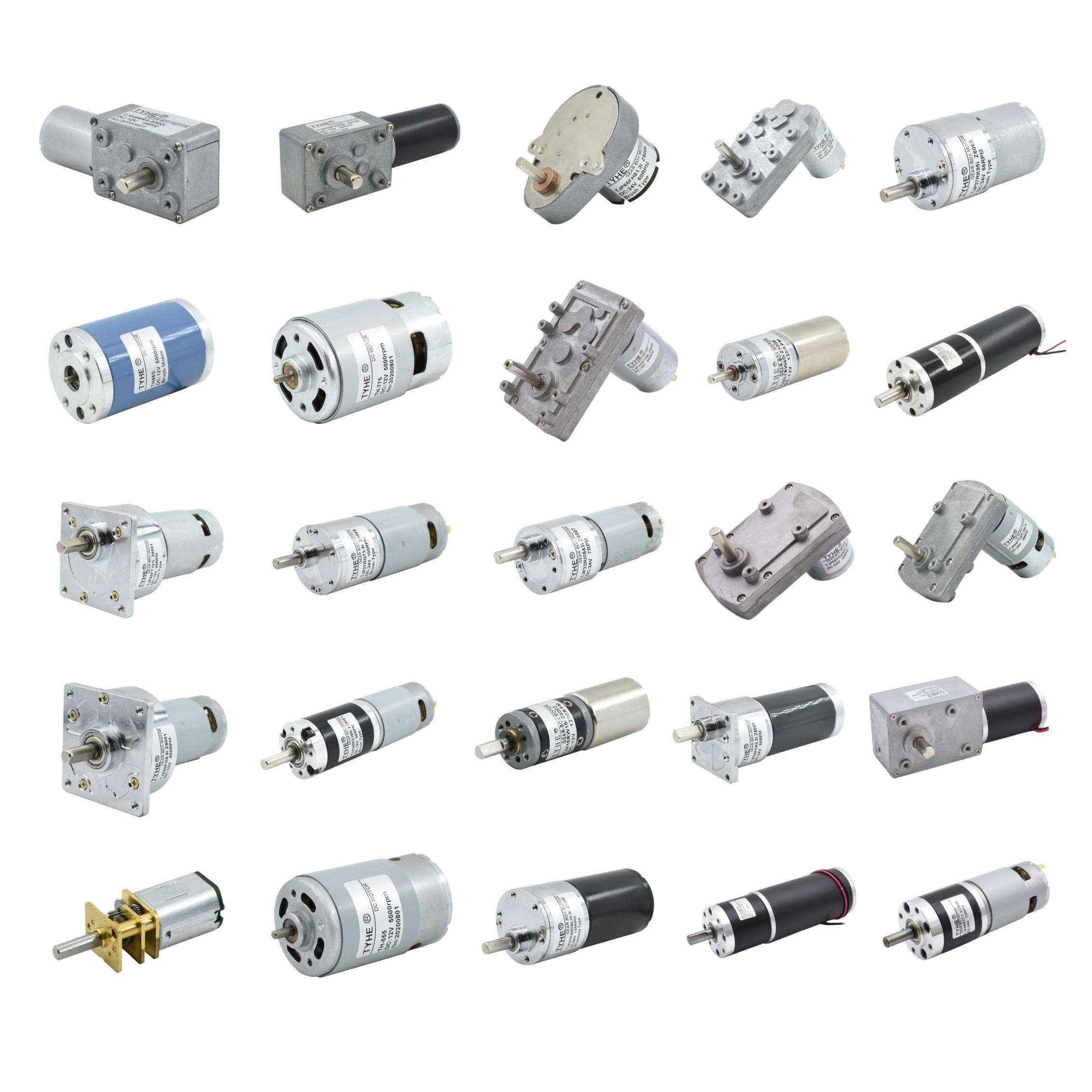
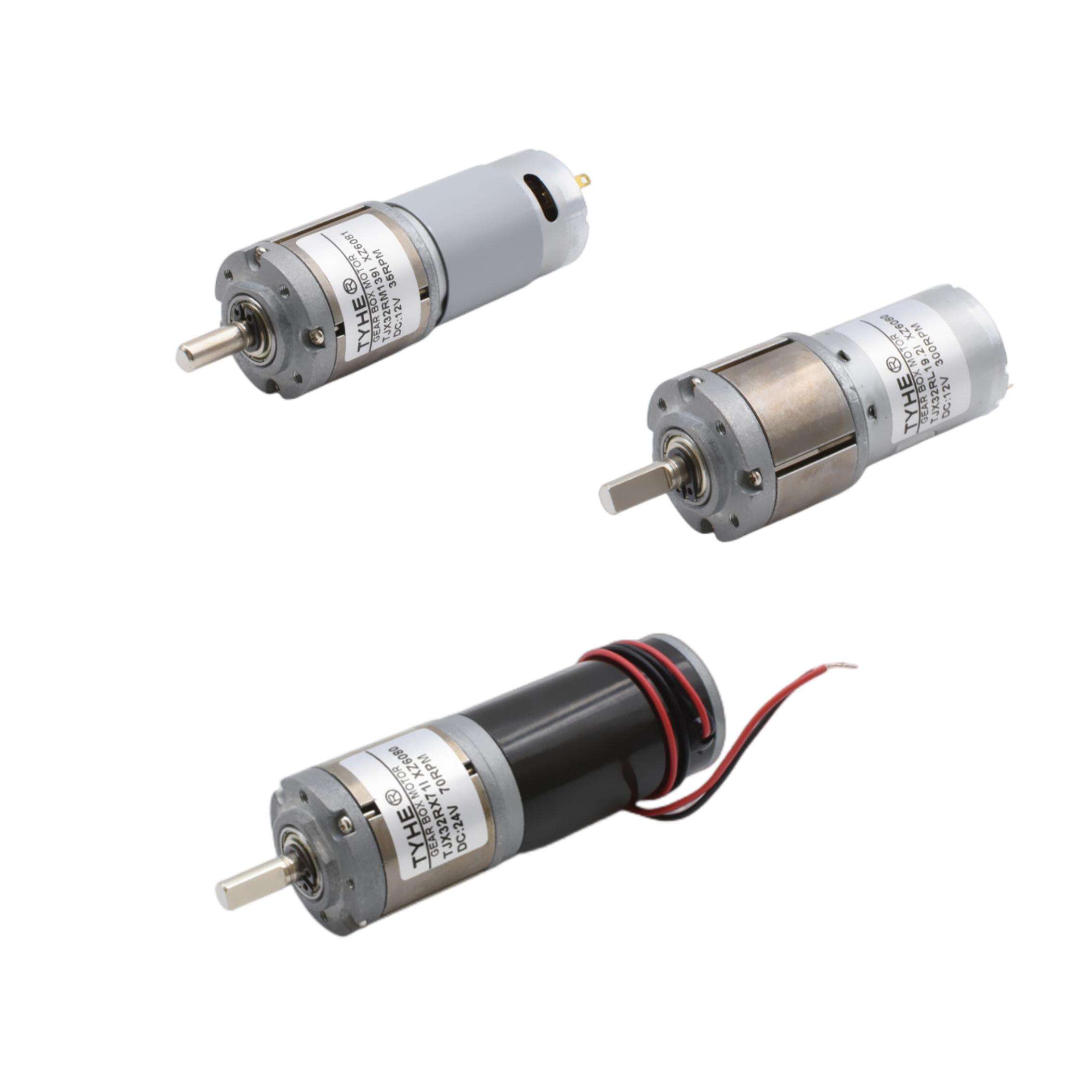
Les moteurs pas à pas et les moteurs à courant continu représentent deux catégories fondamentales de moteurs électriques qui remplissent des fonctions distinctes dans diverses applications industrielles et commerciales. Un moteur pas à pas fonctionne en convertissant des impulsions électriques en une rotation mécanique précise, se déplaçant par pas discrets plutôt que par un mouvement continu. Cette caractéristique unique rend les moteurs pas à pas particulièrement adaptés aux applications exigeant un contrôle précis de positionnement. Le moteur divise une rotation complète en des centaines ou des milliers de pas, permettant ainsi un positionnement angulaire précis sans système de rétroaction. Les moteurs pas à pas comportent généralement des aimants permanents ou des conceptions à réluctance variable, tandis que les versions hybrides combinent ces deux technologies pour améliorer leurs performances. À l’inverse, les moteurs à courant continu fournissent une rotation continue et fluide alimentée par du courant électrique continu. Ces moteurs fonctionnent selon des principes électromagnétiques, où le courant circule dans des conducteurs placés au sein de champs magnétiques afin de générer une force de rotation. Les moteurs à courant continu existent sous deux formes : à balais et sans balais, chacune offrant des avantages spécifiques selon les applications. Les moteurs à courant continu à balais utilisent des balais en carbone établissant un contact physique avec un collecteur rotatif, tandis que les moteurs à courant continu sans balais recourent à une commutation électronique. Les caractéristiques technologiques des moteurs pas à pas comprennent un couple de maintien élevé, une excellente résolution en pas et des capacités de commande en boucle ouverte. Ils conservent leur position sans consommation d’énergie lorsqu’ils sont à l’arrêt et offrent des caractéristiques prévisibles de vitesse-couple. Les moteurs à courant continu assurent un rapport puissance/masse élevé, un réglage variable de la vitesse et une conversion énergétique efficace. Les applications des moteurs pas à pas couvrent l’impression 3D, les machines-outils à commande numérique (CNC), la robotique, les dispositifs médicaux et les instruments de précision. Leur capacité à maintenir un positionnement précis les rend indispensables dans les procédés de fabrication automatisés. Les moteurs à courant continu sont largement utilisés dans les systèmes automobiles, les machines industrielles, les appareils électroniques grand public et les outils électroportatifs. Le choix entre moteurs pas à pas et moteurs à courant continu dépend des exigences spécifiques de l’application, notamment les besoins en précision, les exigences de vitesse, les caractéristiques de couple et les considérations liées à la complexité de la commande.

 EN
EN