Praecisa Regulatio Velocitatis et Gubernatio Torquem
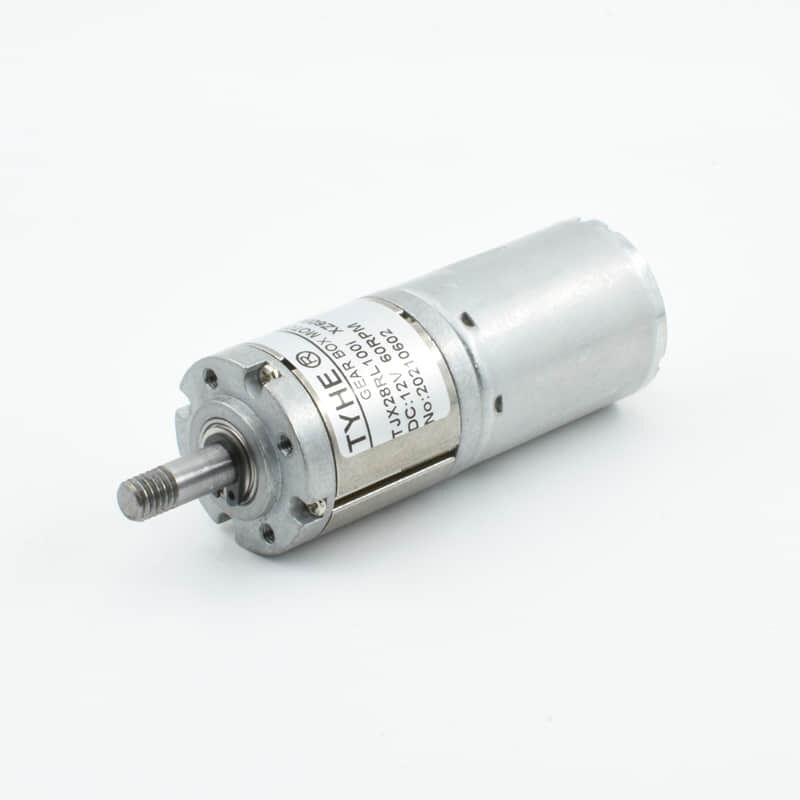
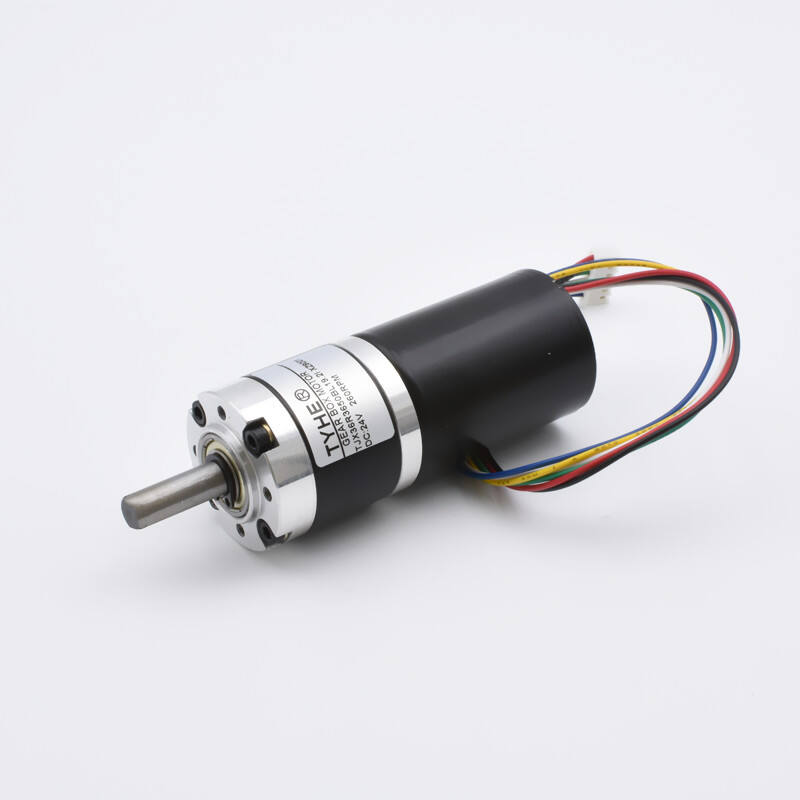
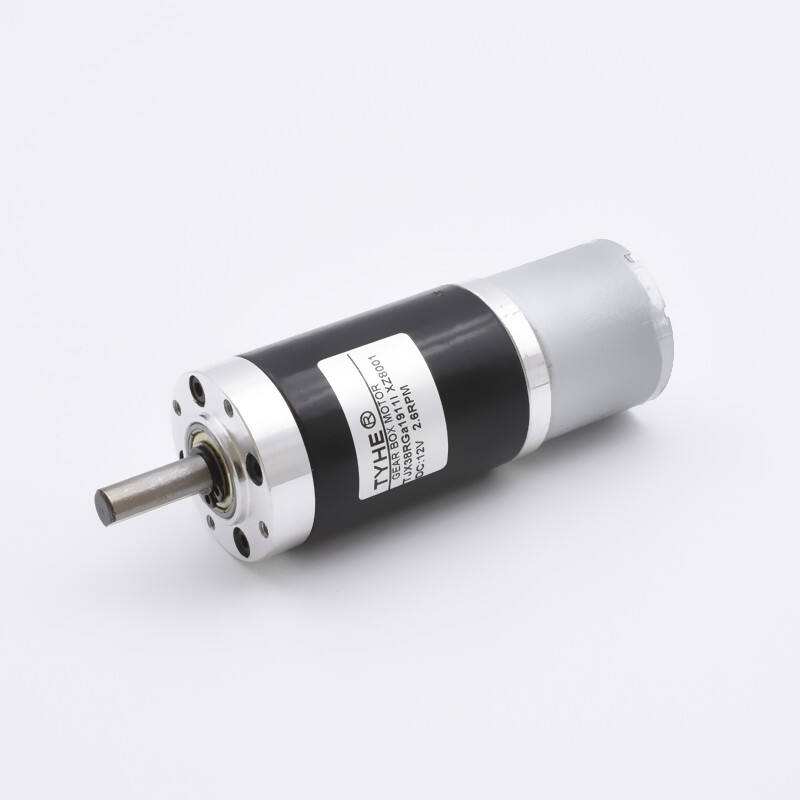
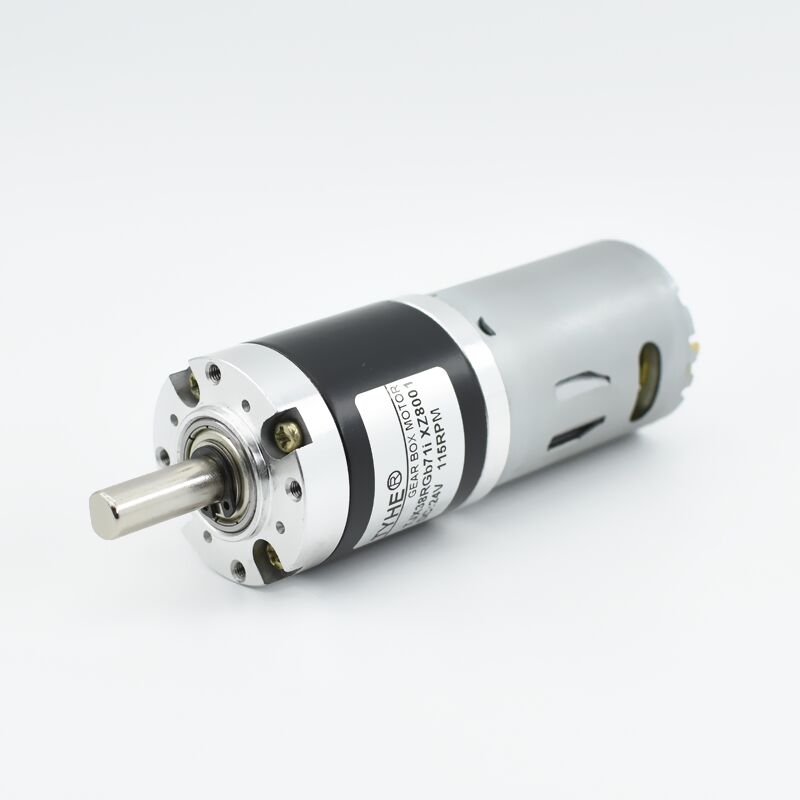
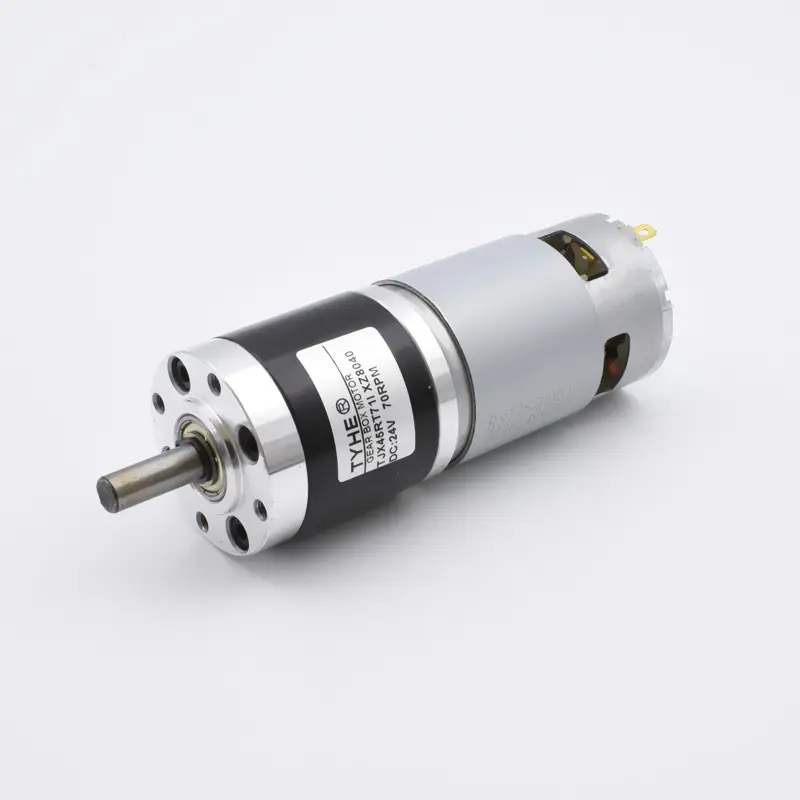
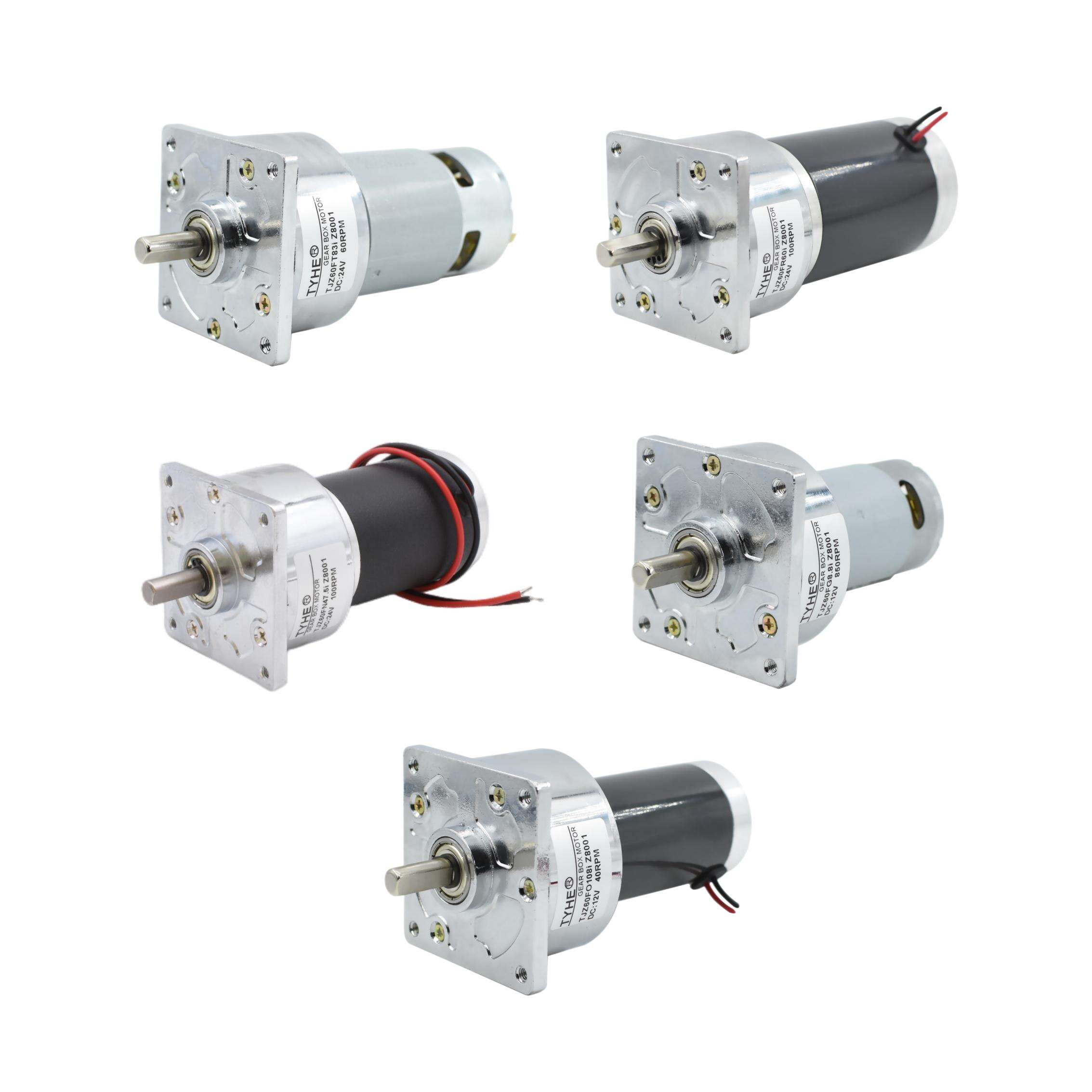
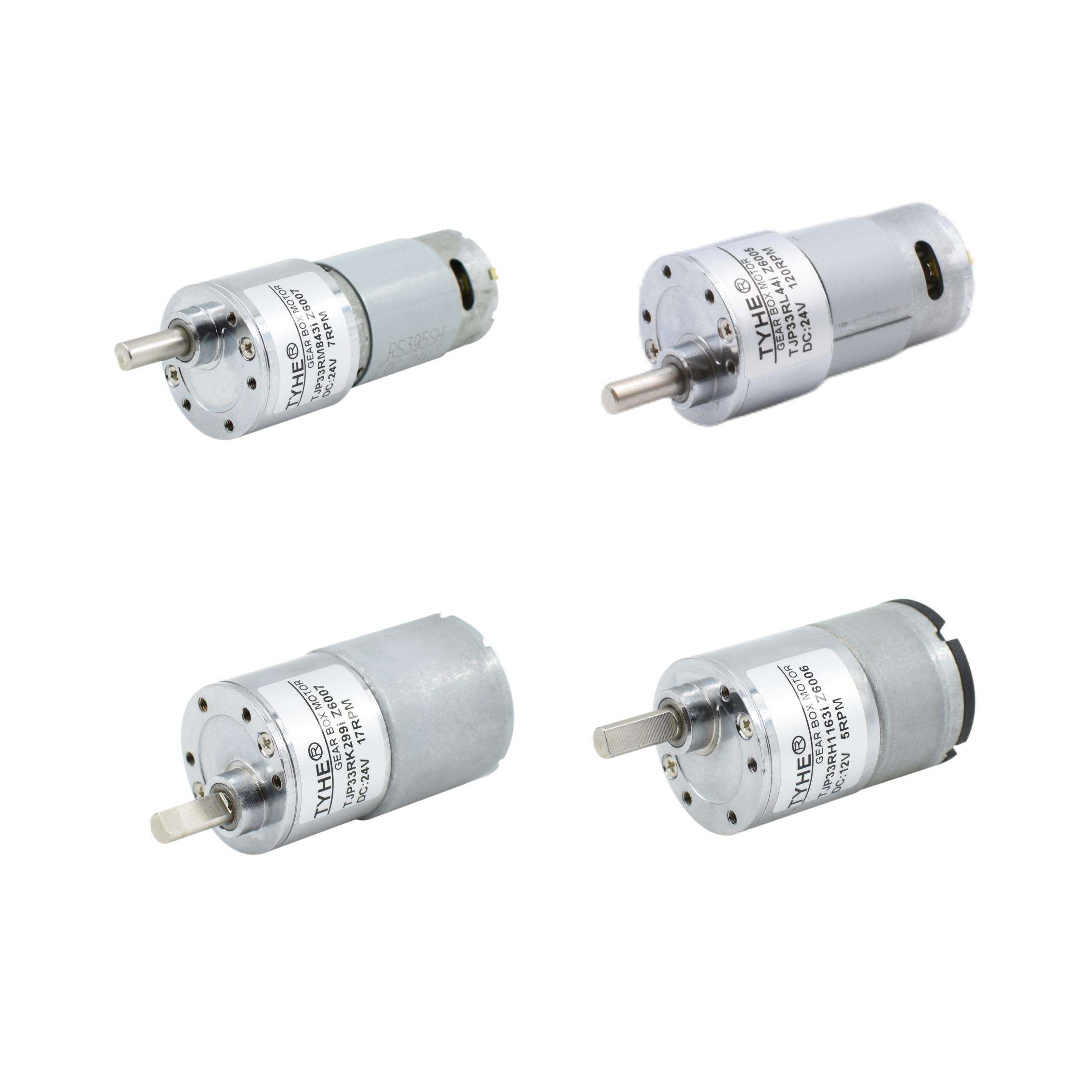
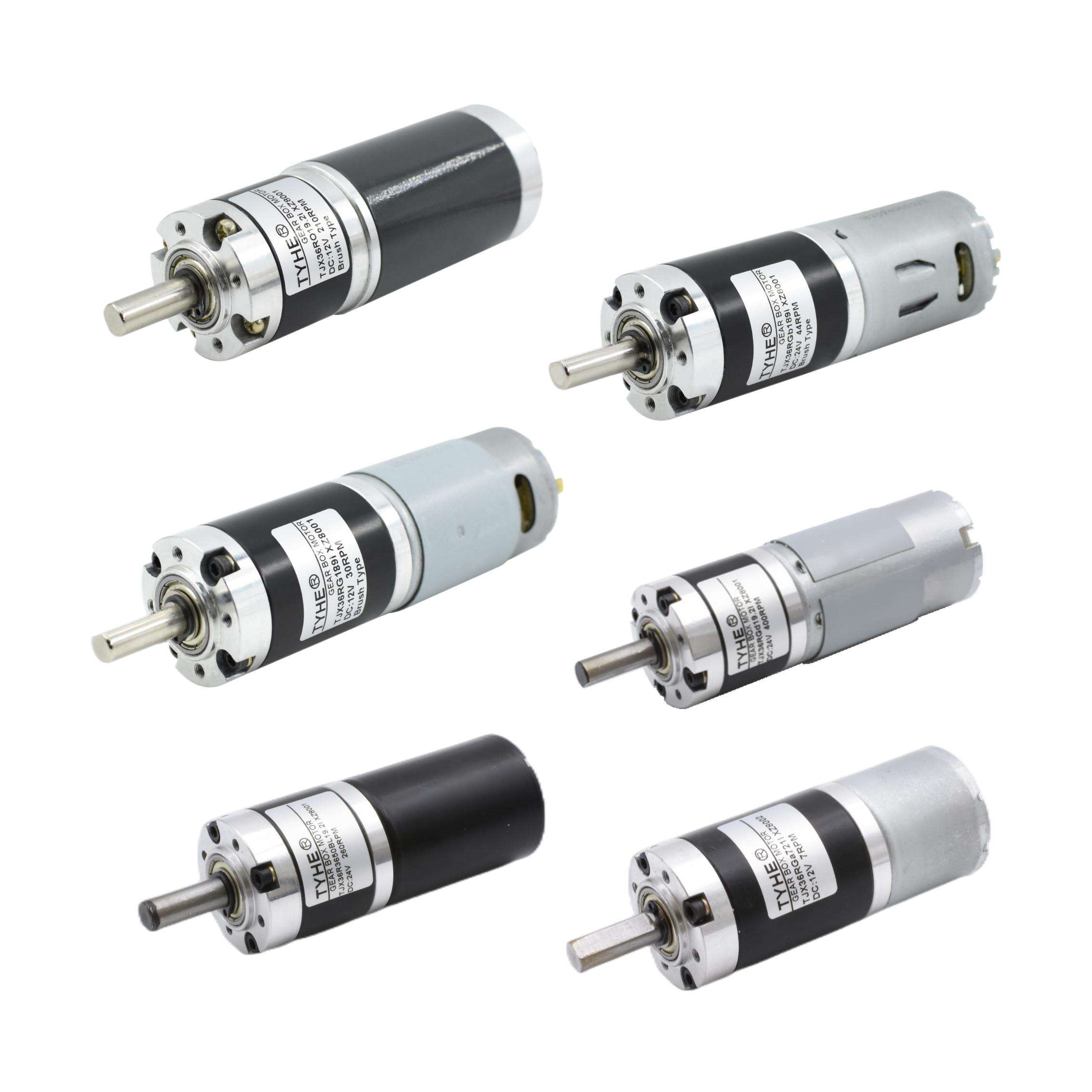
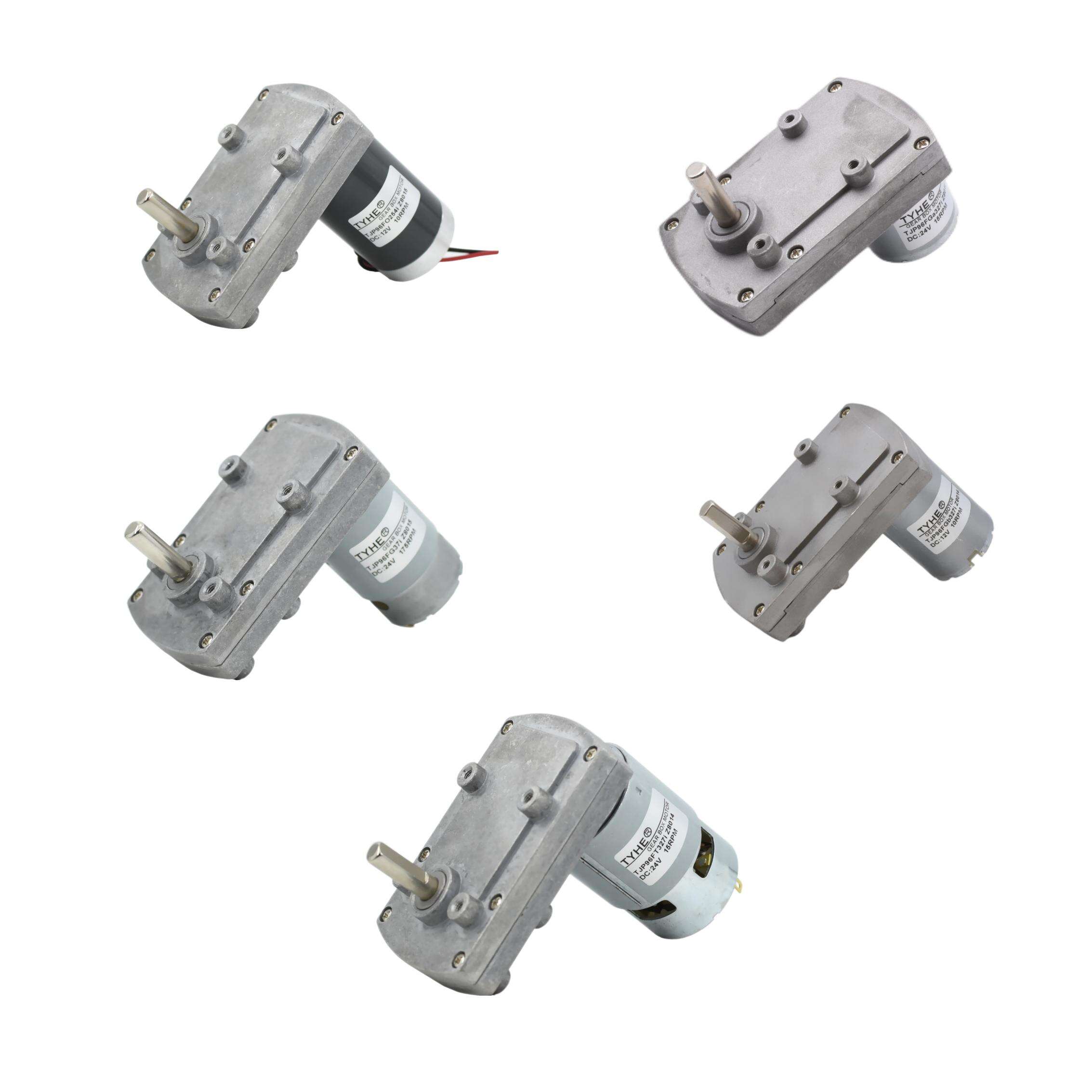
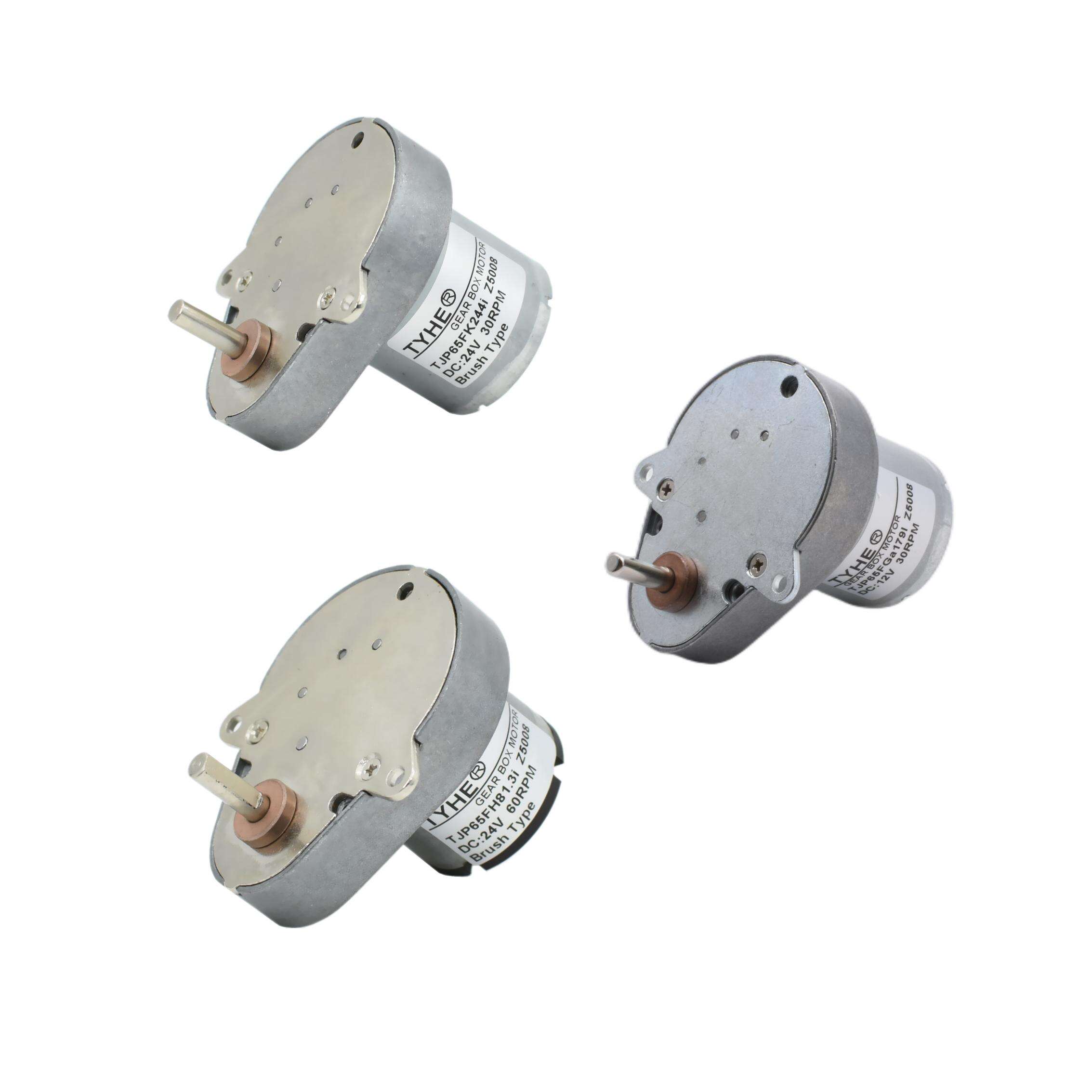
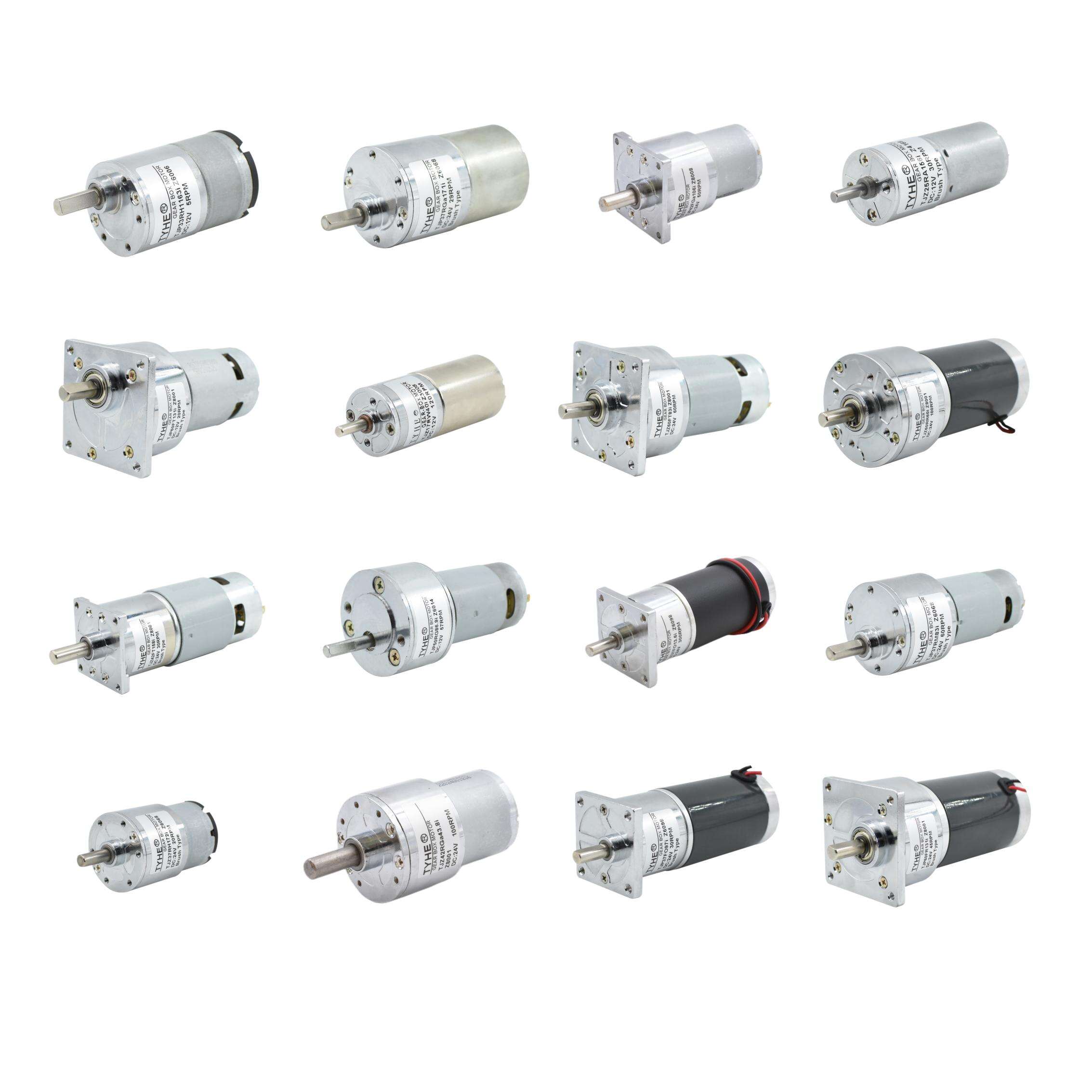
Motorus dc 24 volt cum rota dentata praestat in praebenda praecisa velocitatis regulatione et exceptionalibus facultatibus torque gerendi, quae eum a motore conventionali distinguunt. Haec motori systema progressa rotae dentatae technologiam reductionis complectitur, quae operarios adhibere praecisas velocitatis necessitudines permittit, simulque torque optimum in toto opere tenentem. Regulatio praecisa a facultate motoris oritur, ut statim ad variationes voltages respondeat, praebens accelerationis et decelerationis curvas leves, quae pro applicationibus delicatis necessariae sunt. Motoribus AC, quibus opus est variis frequentialibus ducibus complexis, contrarius, motor dc 24 volt regulando simpliciter voltationem velocitatem regit, ita ut aditus sit operariorum sine doctrina speciali. Systema rotae dentatae integratum torque motoris multiplicat secundum factores ex 10:1 usque ad plus 1000:1, secundum rationem rotae dentatae specialem. Haec facultas torque multiplicandi permittit motorem onera graviora ad velocitates leves tractare, simulque efficientiam energiae servans. Reductio rotae dentatae etiam praebet subsidium mechanicum, quod motoribus minoribus et levioribus permittit opera perficere, quae solent unitates potentiores longe requirere. Systemata motorum dc 24 volt cum rota dentata qualitatis rotae dentatas exacte elaboratas habent, quae transmissionem levis virium pollicentur cum minimo refluente, quod ad praecisum locandum in systematibus automatibus conducit. Facultas motoris torque constantem servandi, quamvis velocitates variant, eum reddit idoneum pro applicationibus, quae constantes trahendi vel premendi vires requirunt. Modeli progressi systemata responsiva includunt, quae velocitatem et torque actualem inspiciunt, permissu regulandi clausi circuitus, qui variationes oneris automatica compensat. Haec facultas regulandi praecise reddit motorem dc 24 volt cum rota dentata necessarium in robotica, medicinis instrumentis, et machinationibus manufacturis, ubi accuratia et repetitio ad operationem felicem summae sunt momenti.

 EN
EN