Premium Automotive Screen Rotation Motors | Advanced Display Control Solutions

All Categories

automotive screen rotation motor

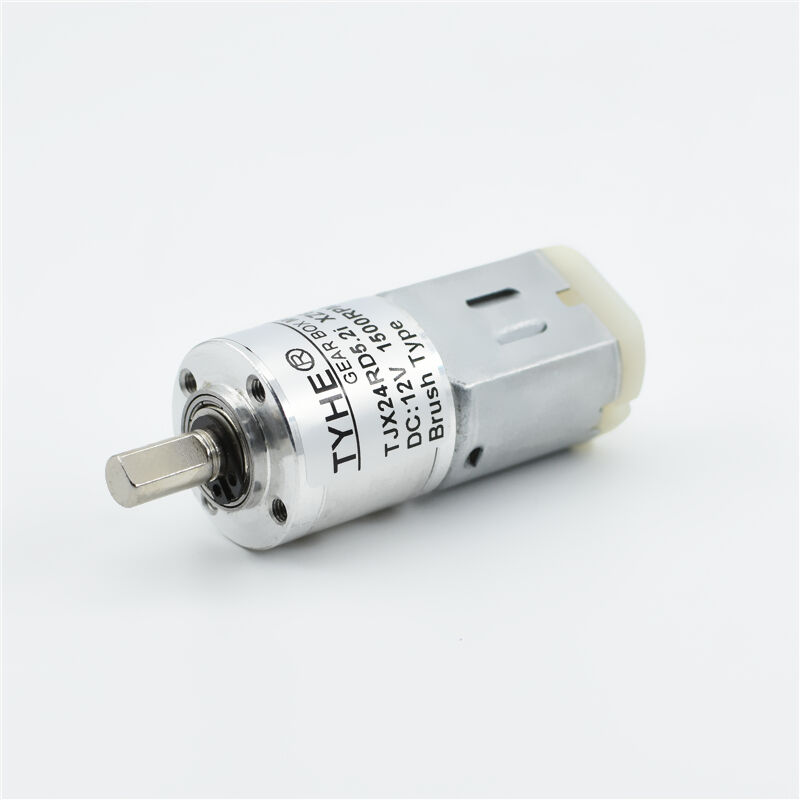
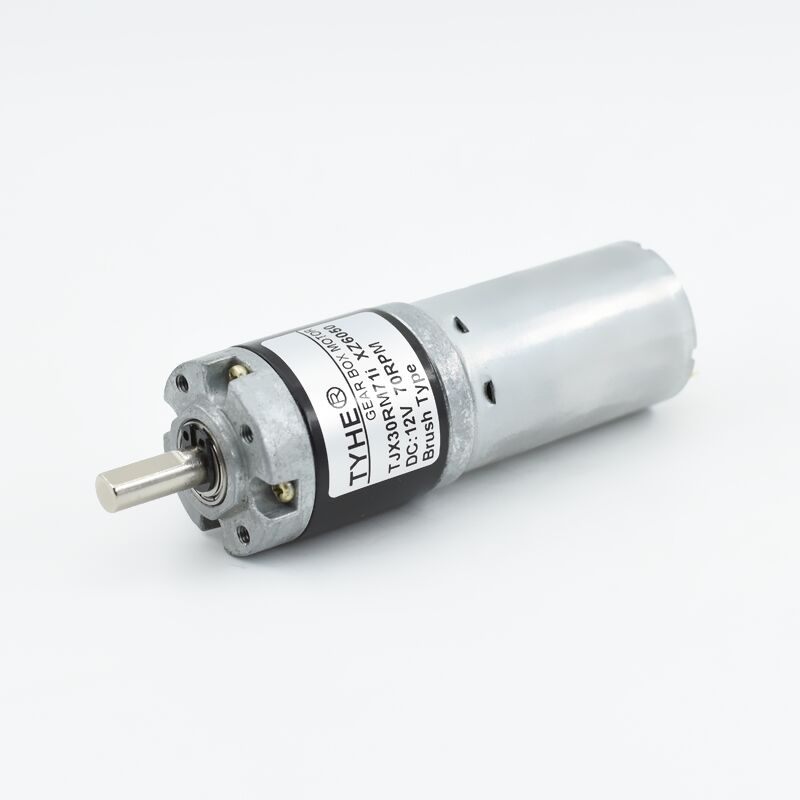
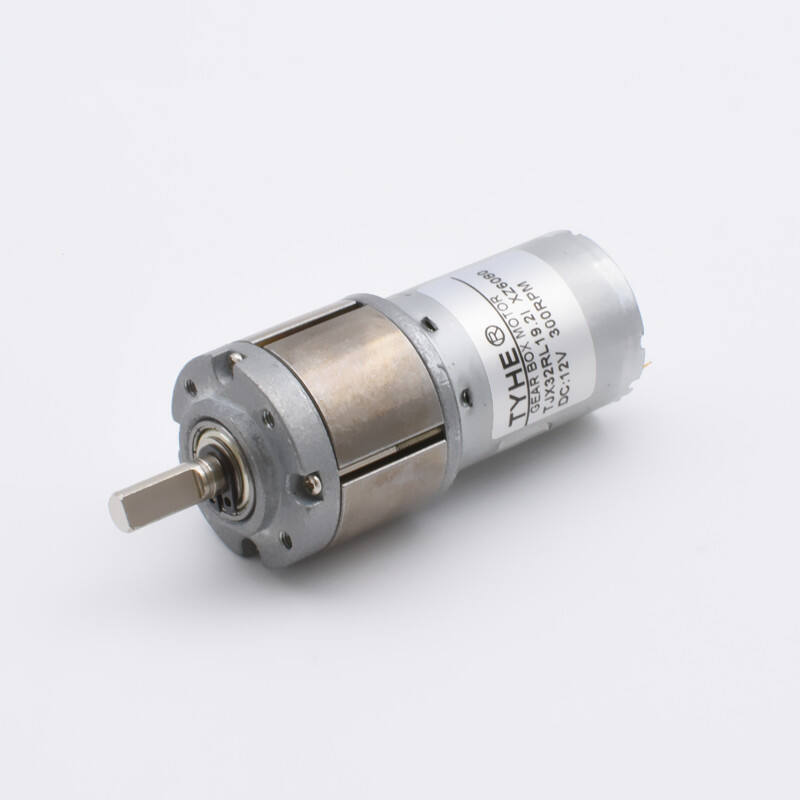
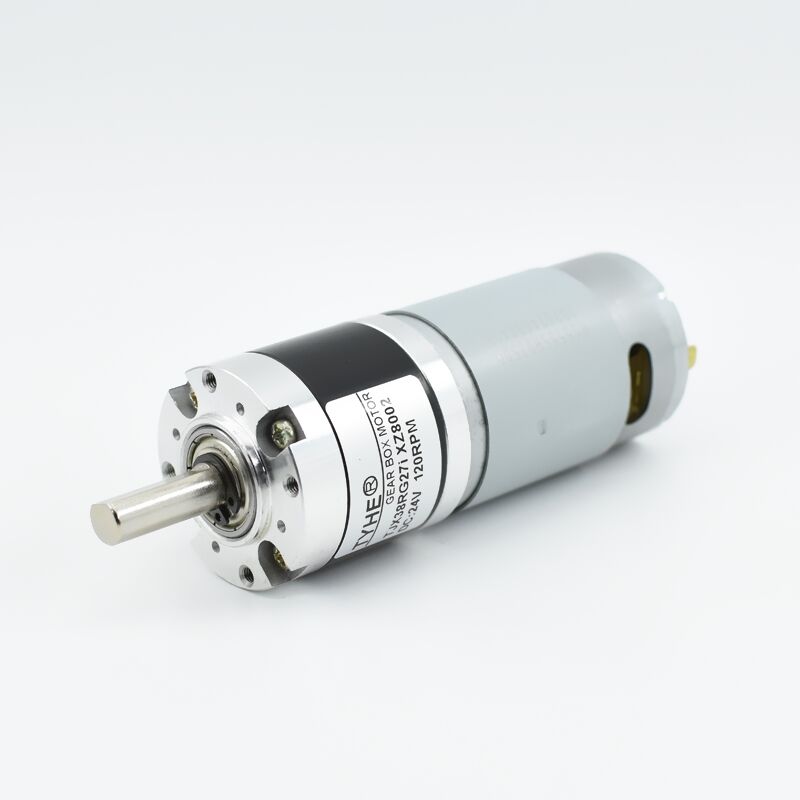
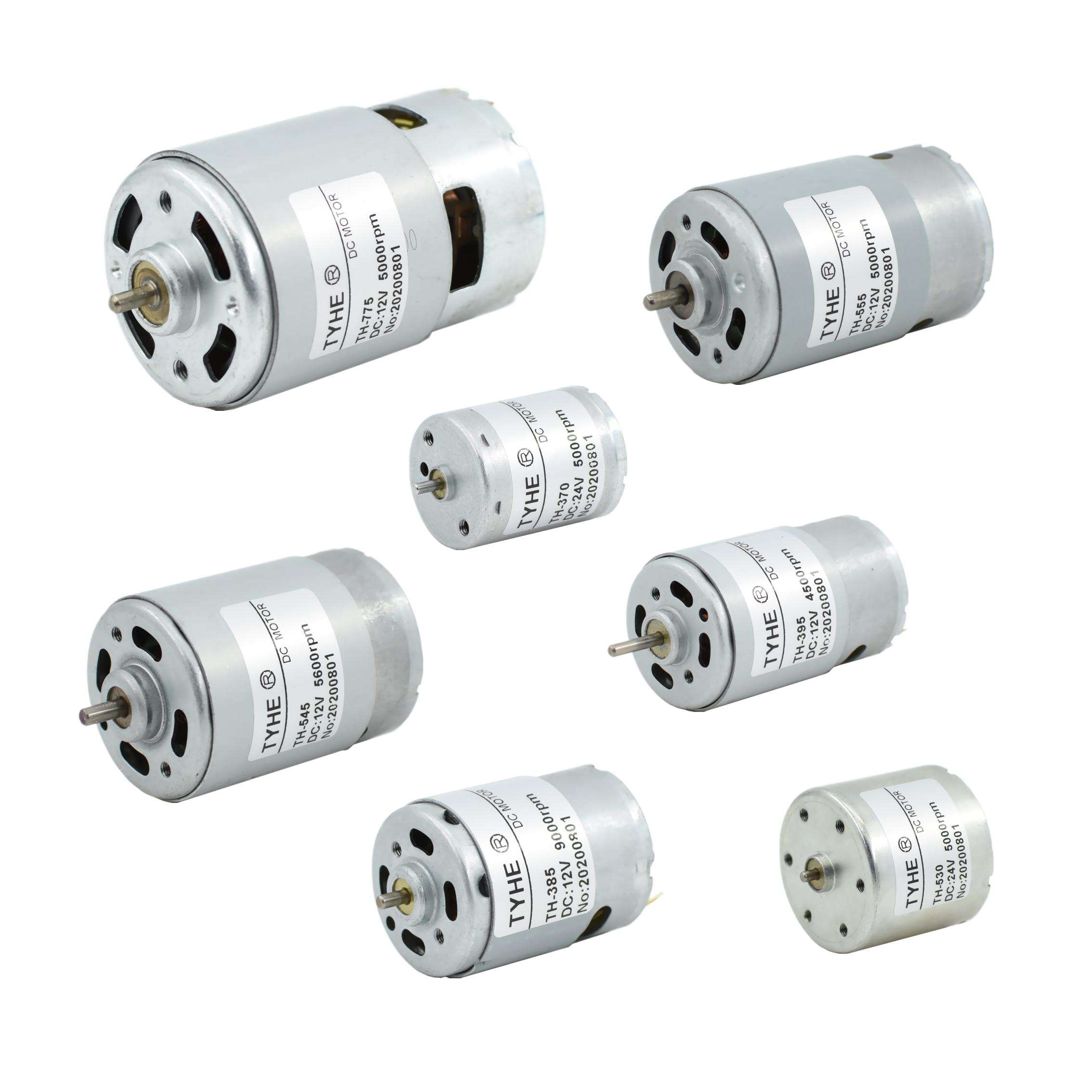
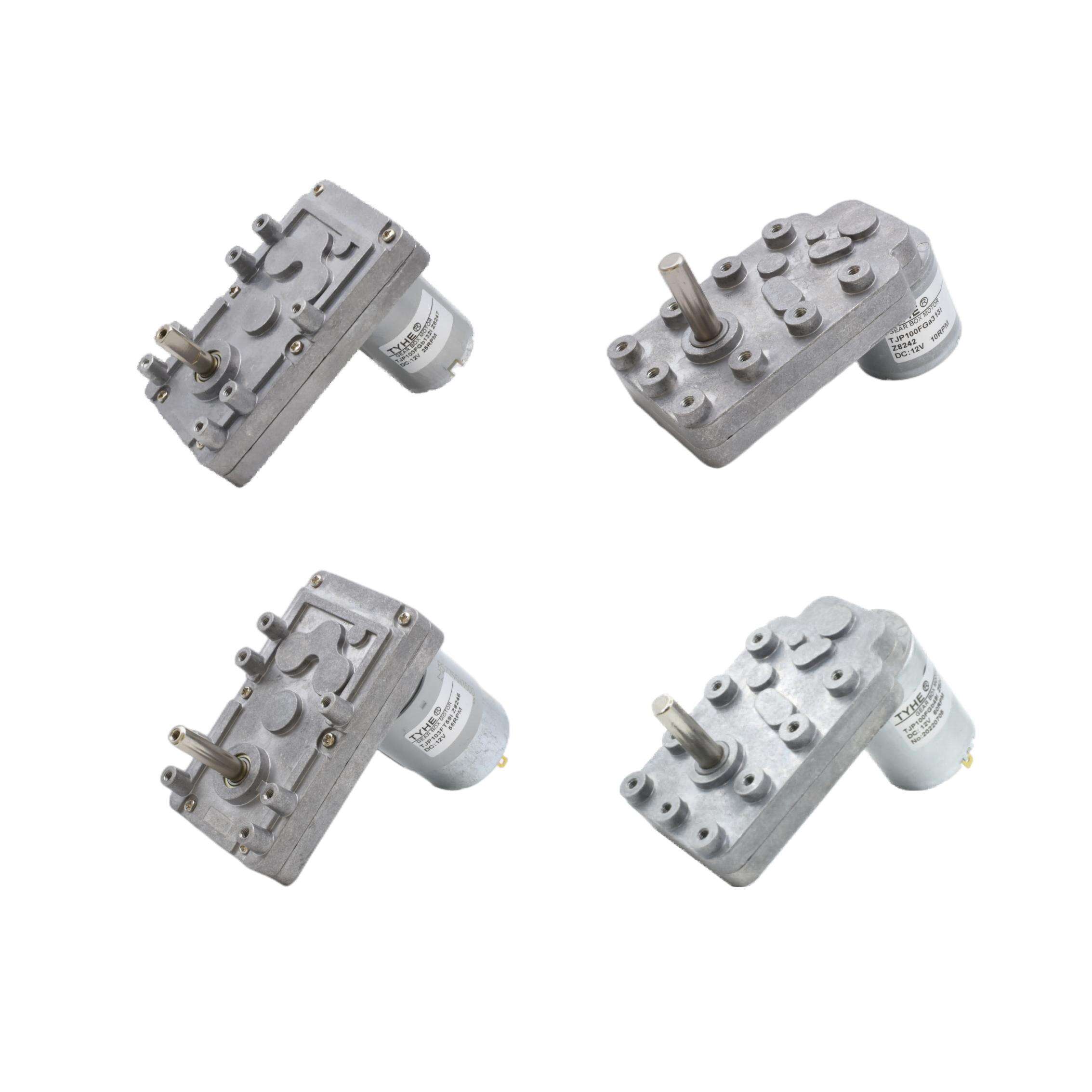
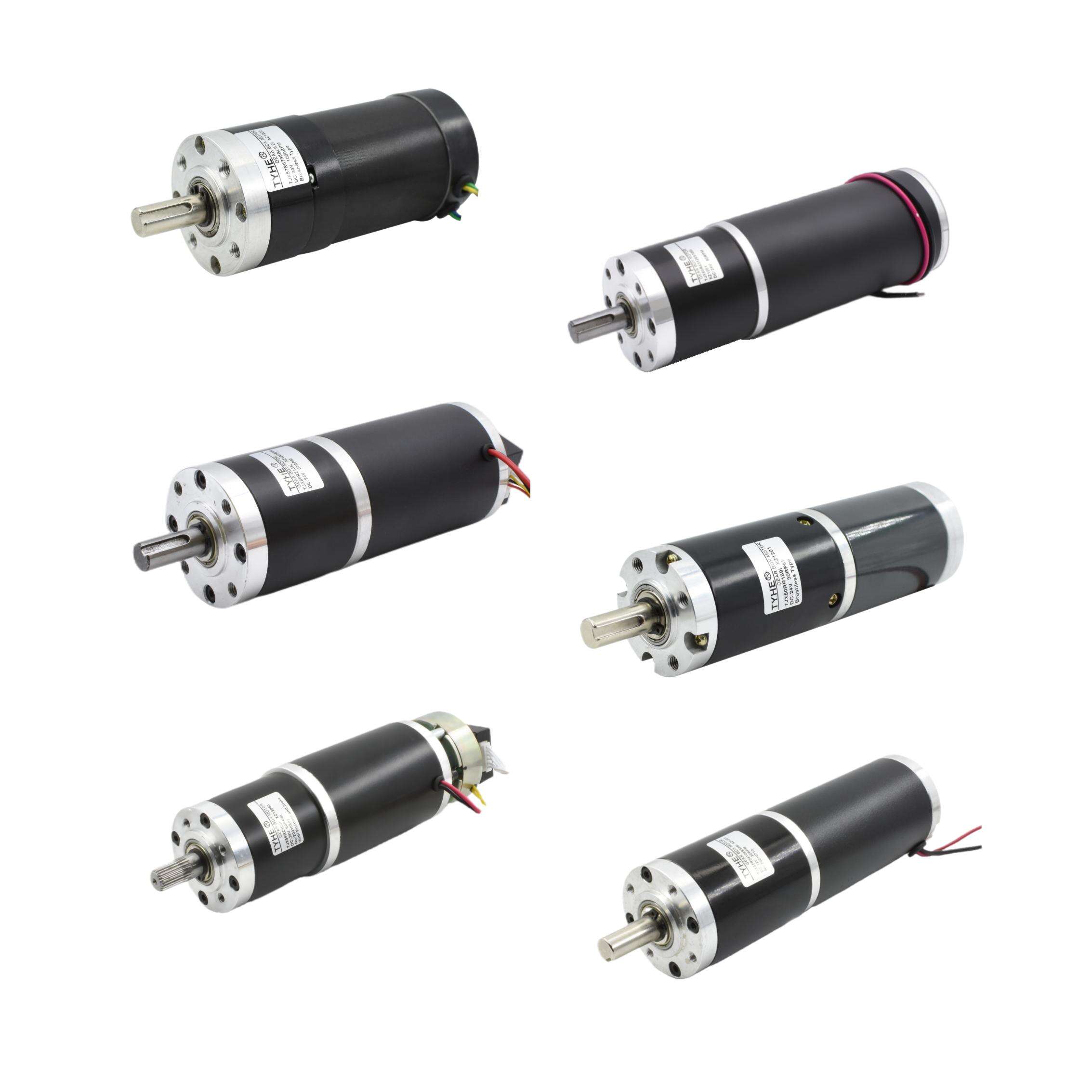
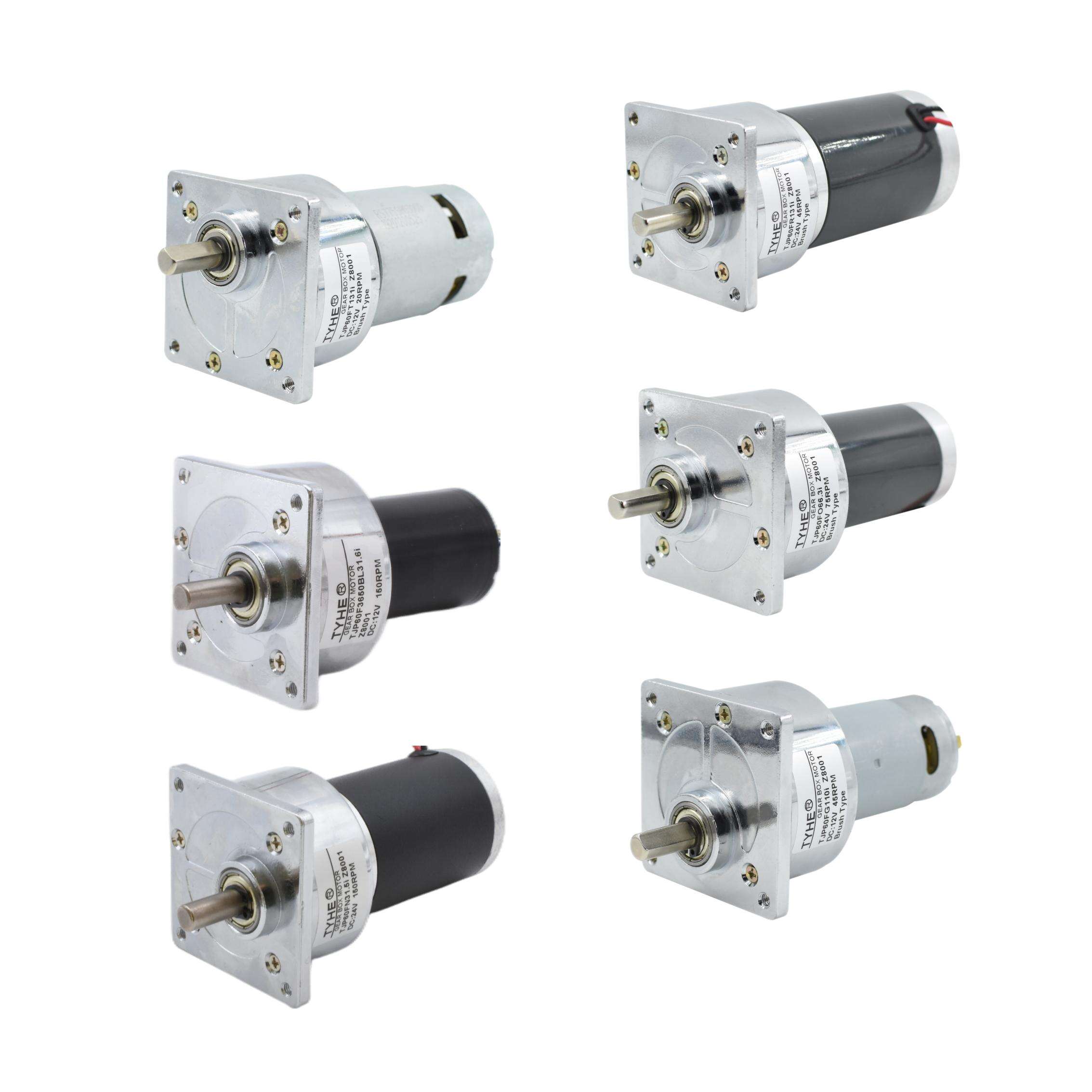
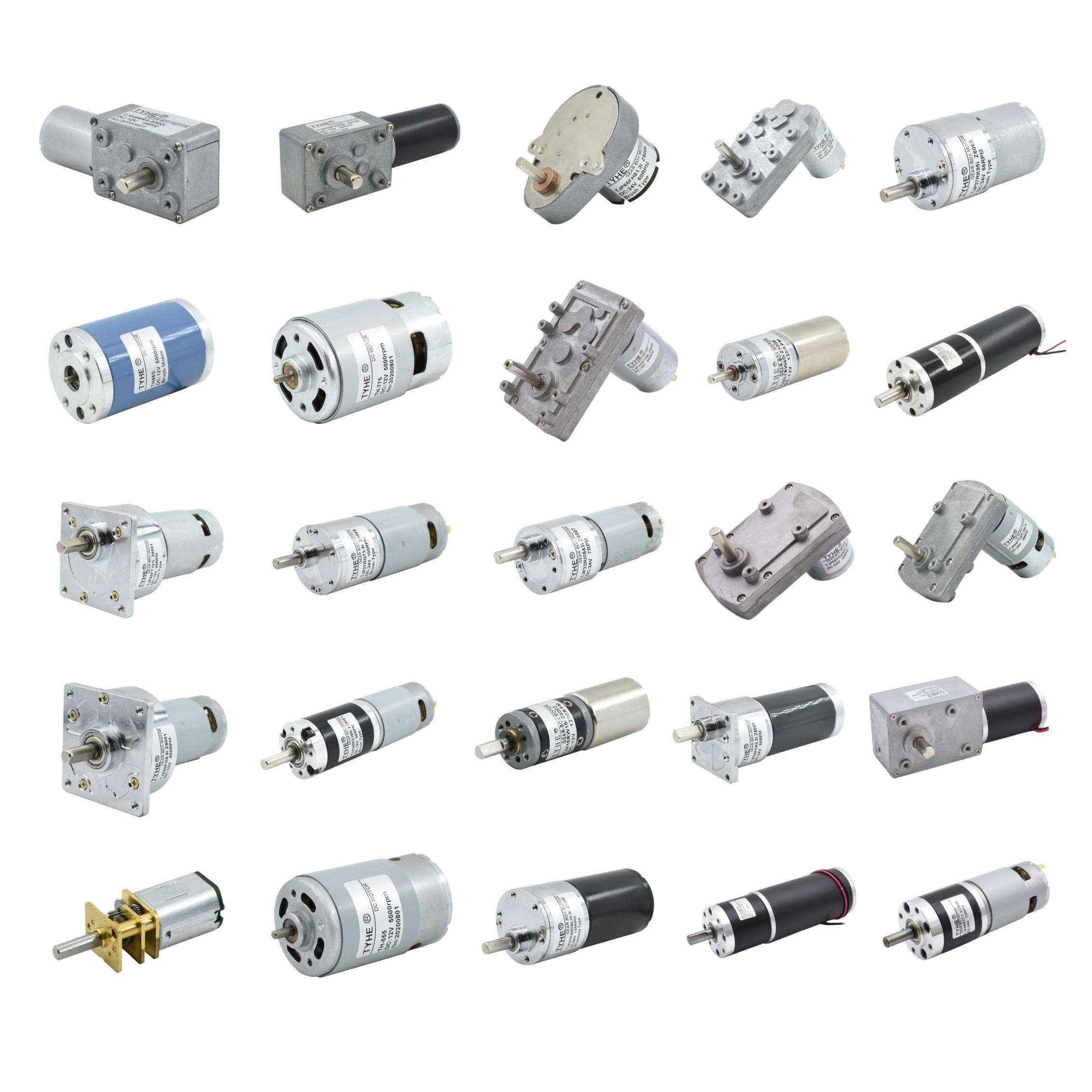
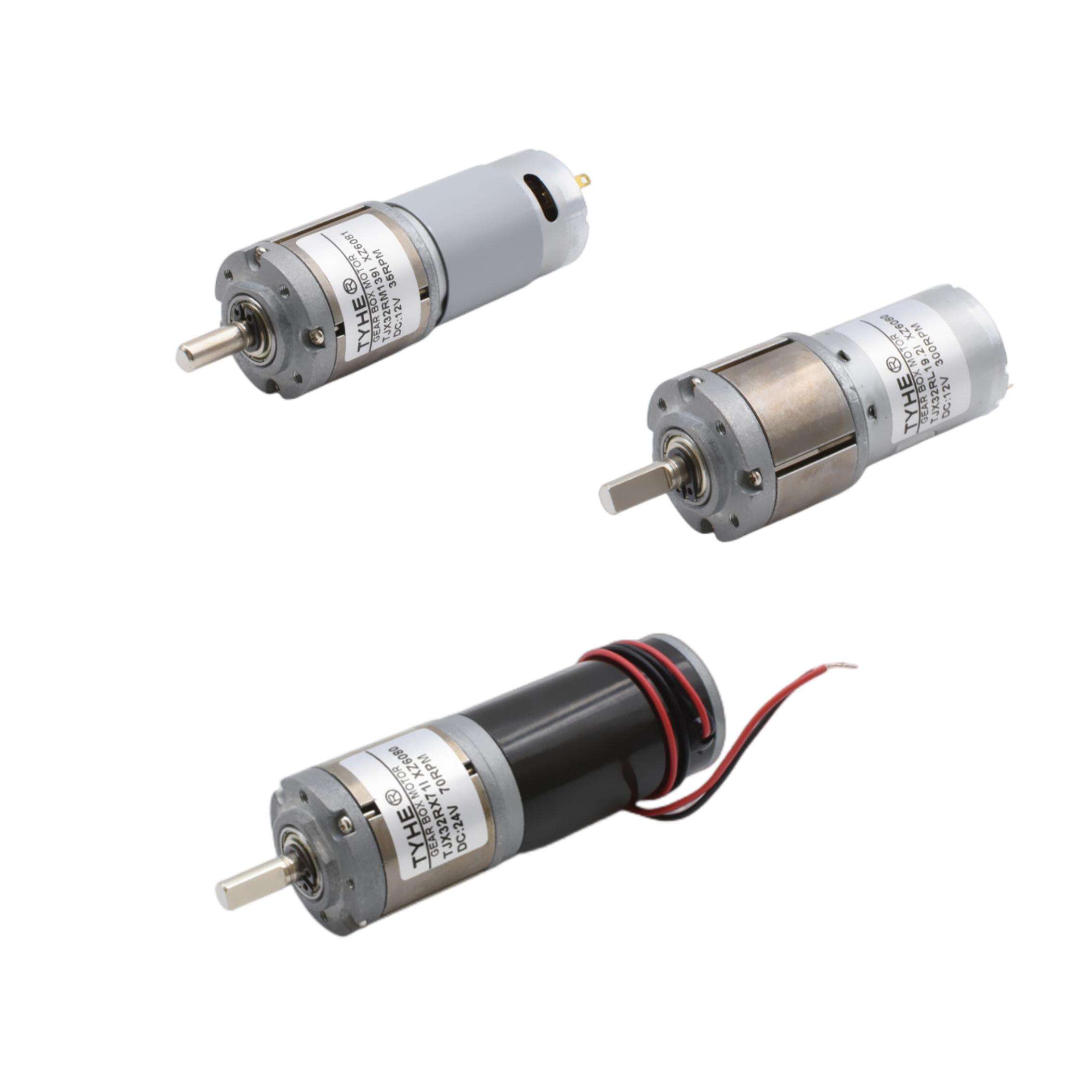
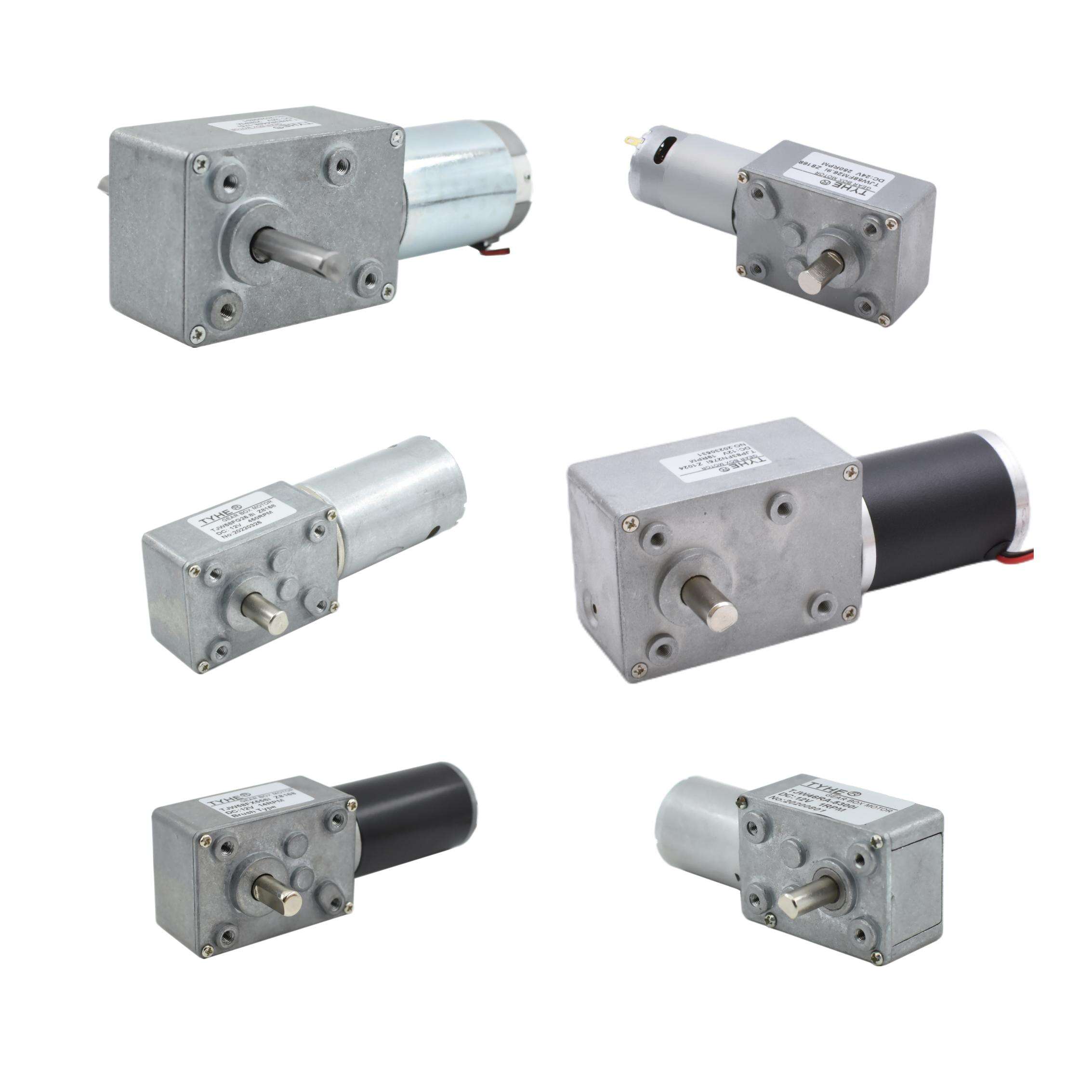
The automotive screen rotation motor represents a crucial component in modern vehicle infotainment systems, designed to provide seamless rotation functionality for in-car display screens. This sophisticated device enables car manufacturers to create versatile dashboard configurations that can switch between landscape and portrait orientations, enhancing user experience and maximizing screen real estate utilization. The automotive screen rotation motor operates through precision engineering, utilizing advanced stepper motor technology combined with robust gear reduction systems to deliver smooth, accurate positioning. These motors typically feature compact designs that integrate seamlessly into dashboard assemblies while maintaining exceptional durability under various environmental conditions. The primary function of an automotive screen rotation motor involves controlling the angular position of display screens with remarkable precision, allowing for rotation angles ranging from 90 to 180 degrees depending on the specific application requirements. Advanced models incorporate intelligent feedback systems that monitor rotational position and ensure consistent performance throughout the motor's operational lifespan. The technological features of these motors include high-torque output capabilities, quiet operation characteristics, and resistance to temperature fluctuations commonly encountered in automotive environments. Many automotive screen rotation motors feature integrated control electronics that communicate directly with the vehicle's central processing unit, enabling programmable rotation sequences and customizable user preferences. The motor housing typically consists of corrosion-resistant materials designed to withstand humidity, vibration, and temperature variations while maintaining optimal performance standards. Applications for automotive screen rotation motors span across various vehicle categories, from luxury sedans to commercial vehicles, where flexible screen positioning enhances driver accessibility and passenger entertainment options. These motors prove particularly valuable in vehicles equipped with large touchscreen displays that serve multiple functions, including navigation, climate control, and multimedia management.

New Product Recommendations

The automotive screen rotation motor delivers exceptional value through its ability to transform static display systems into dynamic, user-centric interfaces that adapt to different driving scenarios and user preferences. Vehicle manufacturers benefit significantly from integrating these motors because they can create more flexible dashboard designs that accommodate varying screen sizes and orientations without requiring complete redesigns of the instrument panel. The motor's precision control capabilities ensure that screen rotation occurs smoothly and quietly, eliminating jarring movements that could distract drivers or passengers during operation. This smooth operation contributes to a premium feel that enhances the overall perceived quality of the vehicle's interior technology systems. The space-saving design of automotive screen rotation motors allows manufacturers to maximize dashboard real estate while providing enhanced functionality, making it possible to incorporate larger screens without compromising ergonomics or accessibility. These motors significantly improve user interaction by enabling drivers to position screens at optimal viewing angles, reducing glare and improving readability under various lighting conditions throughout the day. The automotive screen rotation motor's robust construction ensures reliable performance across the vehicle's operational lifespan, reducing warranty claims and maintenance requirements that could impact manufacturer costs and customer satisfaction. Advanced models feature programmable rotation sequences that can be customized to individual user preferences, creating personalized driving experiences that differentiate vehicles in competitive markets. The motor's integration capabilities with existing vehicle electronic systems streamline installation processes and reduce complexity for automotive assembly operations. Energy efficiency represents another significant advantage, as modern automotive screen rotation motors consume minimal power while delivering consistent performance, contributing to overall vehicle electrical system optimization. The motor's ability to maintain precise positioning under various road conditions and vibration levels ensures consistent screen alignment and prevents unwanted movement that could affect user experience. Furthermore, these motors support innovative features such as automatic rotation based on driving mode selection, time of day, or specific application requirements, adding intelligent functionality that appeals to technology-conscious consumers.

Latest News

What maintenance schedule extends brush life in a standard dc motor?

12

Mar

What maintenance schedule extends brush life in a standard dc motor?

Understanding proper dc motor brush maintenance is essential for maximizing the operational lifespan of direct current motors across industrial applications. Brushes serve as the critical interface between stationary and rotating components, transfer...
View More
Understanding Micro DC Motor Specifications

14

Jan

Understanding Micro DC Motor Specifications

The evolution of modern technology has created an unprecedented demand for compact, efficient power solutions across diverse applications. In today's miniaturized world, engineers and designers constantly seek reliable components that deliver maximum...
View More
How Planetary Gear Motors Boost Efficiency

14

Jan

How Planetary Gear Motors Boost Efficiency

Industrial automation and precision machinery demand advanced power transmission solutions that deliver exceptional efficiency, reliability, and compact performance. The planetary gear motor has emerged as a critical component across diverse applicat...
View More
2026 Guide: Choosing the Best 24V DC Motor for Your Project

04

Mar

2026 Guide: Choosing the Best 24V DC Motor for Your Project

The selection of the right 24v dc motor can make or break your engineering project, whether you're developing automated machinery, robotics systems, or precision equipment. With advances in motor technology continuing through 2026, understanding the ...
View More

Get a Free Quote

Our representative will contact you soon.
Email
Name
Company Name
Message
0/1000

automotive screen rotation motor

Precision Engineering for Optimal Performance

Precision Engineering for Optimal Performance

The automotive screen rotation motor showcases exceptional precision engineering that sets it apart from conventional motor solutions in the automotive industry. This precision stems from advanced stepper motor technology combined with sophisticated gear reduction systems that work in perfect harmony to deliver accurate positioning with minimal deviation from target angles. The motor's control system utilizes high-resolution encoders that provide real-time feedback on rotational position, ensuring that the screen reaches its intended orientation with remarkable consistency every time. This level of precision becomes particularly important when considering the various environmental factors that automotive components must withstand, including temperature fluctuations, vibration from road conditions, and electromagnetic interference from other vehicle systems. The engineering team behind these motors has implemented specialized algorithms that compensate for external influences, maintaining accuracy even under challenging operating conditions. The precision engineering extends to the motor's mechanical components, where tight manufacturing tolerances ensure smooth operation throughout the product's lifespan. Each automotive screen rotation motor undergoes rigorous testing procedures that simulate years of operation under extreme conditions, validating the precision engineering approach and ensuring consistent performance. The motor's ability to maintain precise positioning while operating quietly represents a significant achievement in automotive engineering, as it eliminates the mechanical noise that could detract from the premium cabin experience. This precision engineering also enables the motor to support advanced features such as programmable stop positions, allowing users to set custom rotation angles that perfectly match their viewing preferences. The integration of precision sensors within the motor assembly provides continuous monitoring of operational parameters, enabling predictive maintenance capabilities that can alert users to potential issues before they affect performance. The precision engineering approach also considers the motor's interaction with the display screen and mounting hardware, ensuring that rotational forces are distributed evenly to prevent stress concentrations that could lead to premature component failure. This comprehensive approach to precision engineering makes the automotive screen rotation motor an essential component for manufacturers seeking to deliver superior in-vehicle technology experiences.
Enhanced User Experience Through Intelligent Integration

Enhanced User Experience Through Intelligent Integration

The automotive screen rotation motor transforms the way users interact with in-vehicle technology by providing intelligent integration capabilities that seamlessly connect with existing vehicle systems and user preferences. This intelligent integration begins with the motor's ability to communicate with the vehicle's central control unit, enabling automatic rotation sequences based on various triggering events such as gear selection, driving mode changes, or time-based preferences. The motor's smart integration capabilities extend to its compatibility with multiple screen sizes and weights, automatically adjusting torque output and rotation speed to accommodate different display configurations without requiring manual calibration. Users benefit from this intelligent approach through features such as memory settings that remember individual preferences for screen position based on driver profiles, automatically adjusting to the preferred angle when different drivers enter the vehicle. The integration system also supports voice control functionality, allowing users to command screen rotation through natural language instructions without taking their hands off the steering wheel or eyes off the road. Advanced models feature learning algorithms that analyze usage patterns and automatically suggest optimal screen positions for different activities, such as navigation during highway driving or entertainment system access during parking situations. The intelligent integration extends to safety systems, where the motor can automatically rotate screens to minimize driver distraction during critical driving situations or emergency scenarios. The motor's integration with ambient lighting systems creates synchronized experiences where screen rotation triggers corresponding adjustments to dashboard illumination, maintaining optimal visibility and aesthetic appeal. Climate control integration represents another innovative feature, where the motor can adjust screen position to optimize airflow around the display, preventing fogging or overheating that could affect screen performance. The intelligent integration capabilities also support over-the-air updates, allowing manufacturers to enhance functionality and add new features throughout the vehicle's lifespan without requiring hardware modifications. This forward-thinking approach to integration ensures that the automotive screen rotation motor remains relevant and valuable as technology continues to evolve, providing lasting benefits to both manufacturers and end users through its adaptable and intelligent design approach.
Durability and Reliability in Demanding Automotive Environments

Durability and Reliability in Demanding Automotive Environments

The automotive screen rotation motor demonstrates exceptional durability and reliability characteristics specifically engineered to withstand the harsh and demanding conditions typical of automotive environments. This remarkable durability begins with the motor's construction materials, which include corrosion-resistant alloys and specialized coatings that protect internal components from moisture, salt exposure, and chemical contaminants commonly encountered in vehicle operations. The motor housing features robust sealing systems that prevent dust, dirt, and water ingress while maintaining proper ventilation for thermal management, ensuring consistent performance across various climate conditions and geographical locations. Temperature tolerance represents a critical aspect of the motor's durability design, with operational ranges spanning from extreme cold conditions below freezing to high-temperature environments exceeding typical automotive specifications. The motor's internal components utilize specialized lubricants and bearing systems designed to maintain smooth operation across these temperature extremes without degradation in performance or increase in operational noise. Vibration resistance capabilities ensure that the automotive screen rotation motor continues to function accurately despite constant exposure to road vibrations, engine harmonics, and various dynamic forces encountered during vehicle operation. The motor's electronic control systems feature protective circuits that safeguard against voltage fluctuations, electromagnetic interference, and other electrical anomalies that could potentially damage sensitive components. Extensive testing protocols validate the motor's durability through accelerated aging tests, thermal cycling, humidity exposure, and mechanical stress simulations that replicate years of real-world operation in compressed timeframes. The motor's gear reduction system incorporates self-lubricating materials and precision machining techniques that minimize wear and extend operational lifespan far beyond typical automotive component expectations. Fail-safe mechanisms built into the motor's design ensure that even in the unlikely event of component failure, the system can maintain basic functionality or safely lock the screen in a predetermined position to prevent damage or safety hazards. The automotive screen rotation motor's reliability extends to its maintenance requirements, with design features that minimize the need for regular service while providing clear diagnostic information when service becomes necessary. This combination of exceptional durability and unwavering reliability makes the automotive screen rotation motor an ideal solution for manufacturers seeking long-term value and customer satisfaction in their vehicle technology systems.
Premium Automotive Screen Rotation Motors | Advanced Display Control Solutions

Get a Free Quote

Our representative will contact you soon.
Email
Name
Company Name
Message
0/1000
Premium Automotive Screen Rotation Motors | Advanced Display Control Solutions