worm gear stepper motor
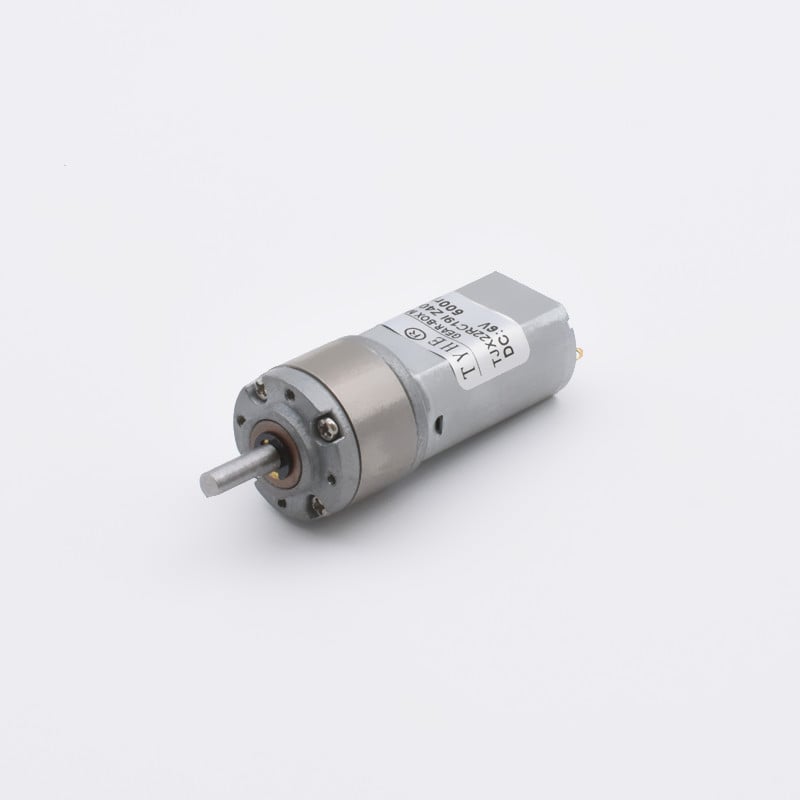
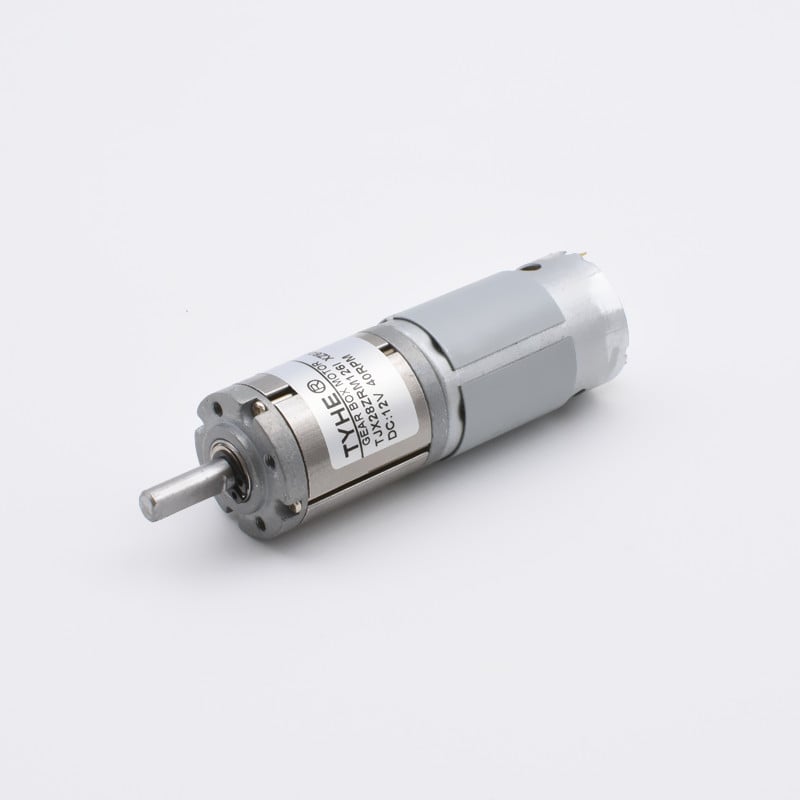
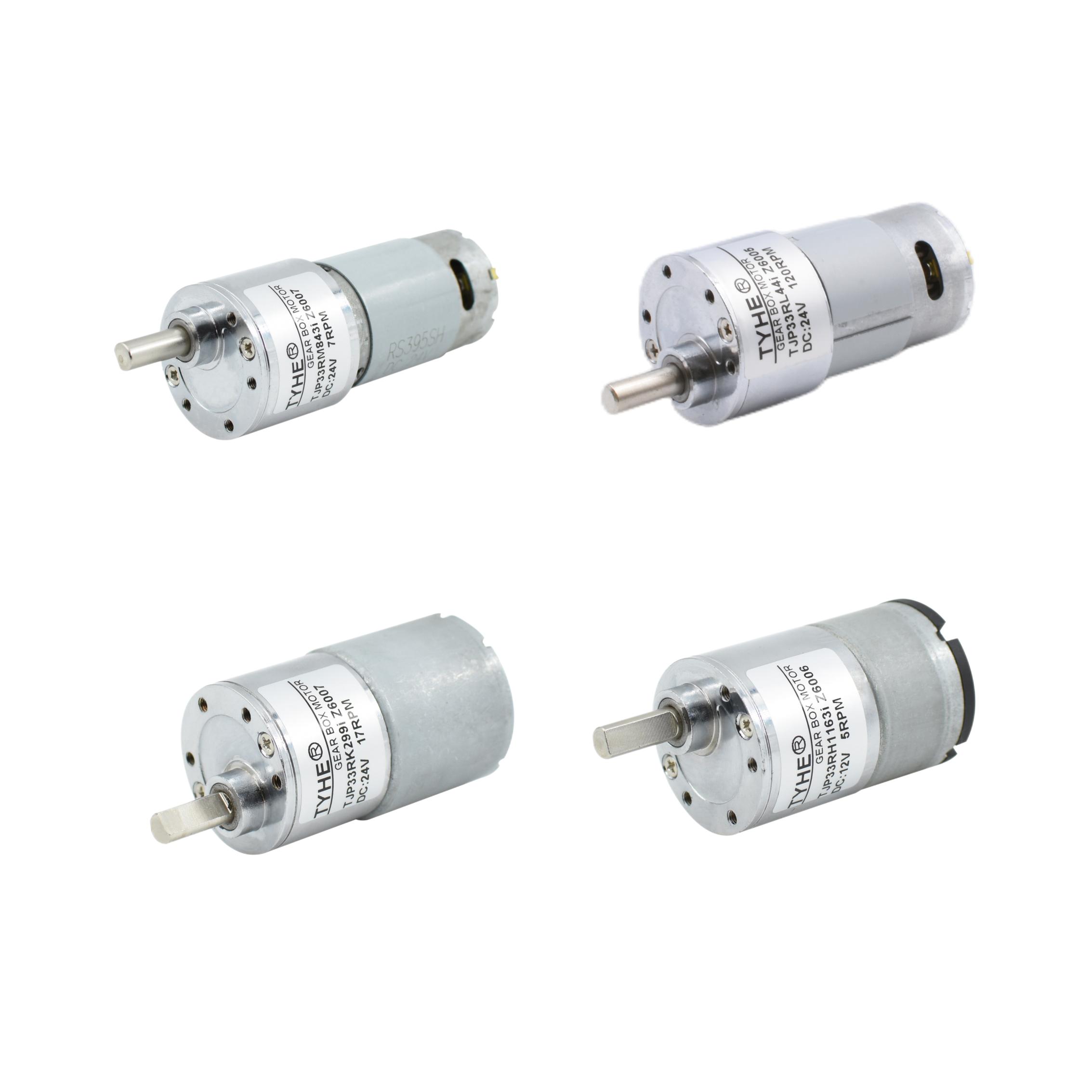
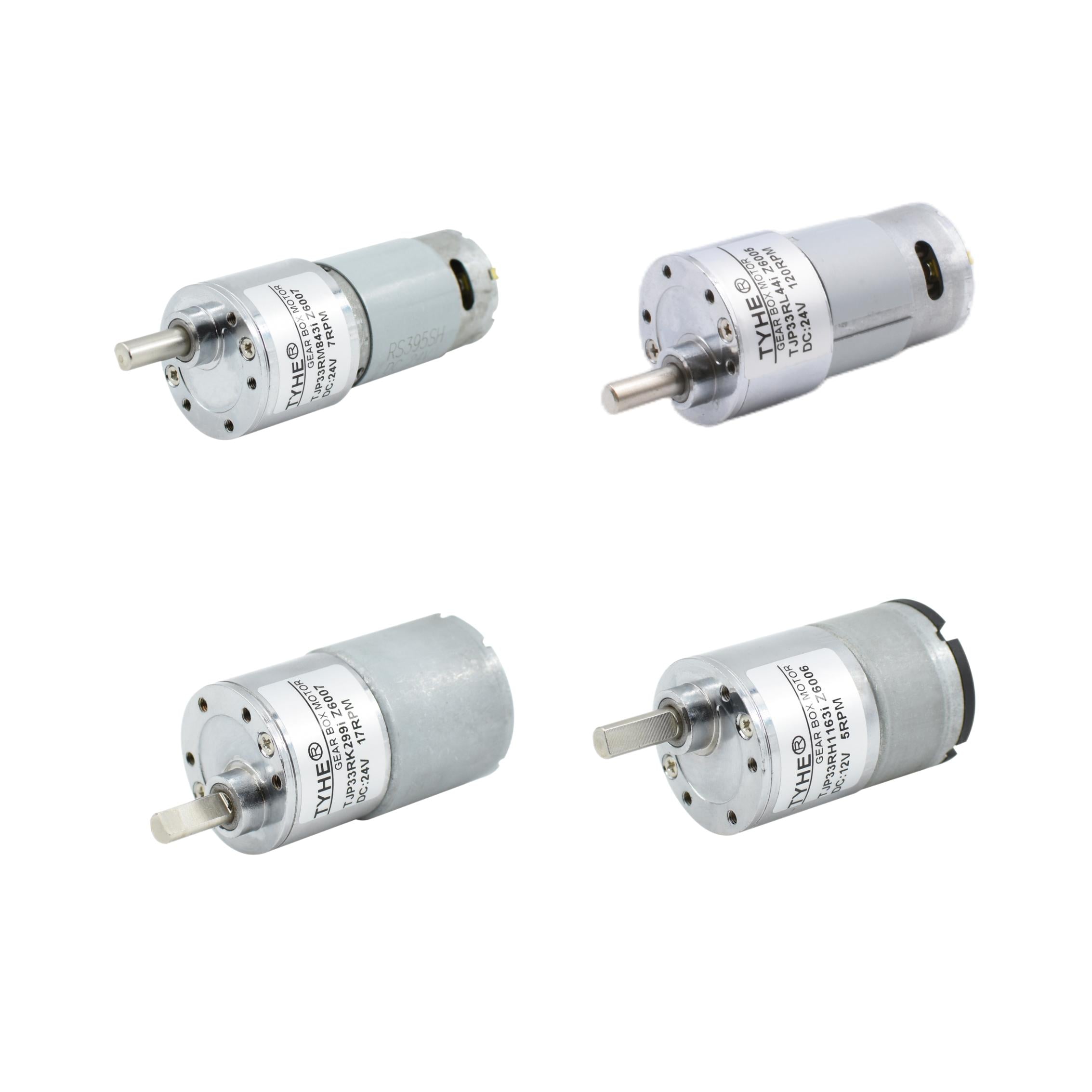
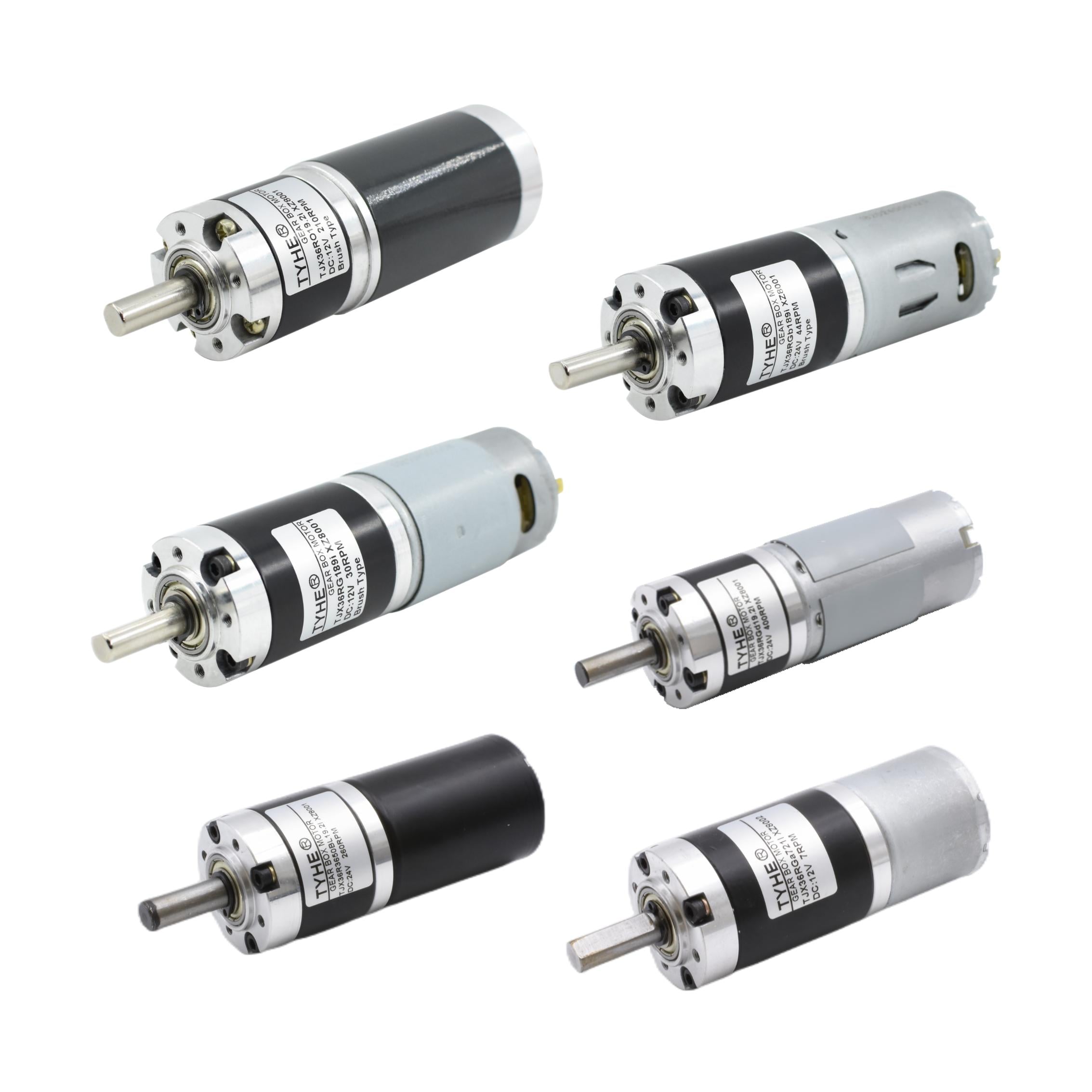
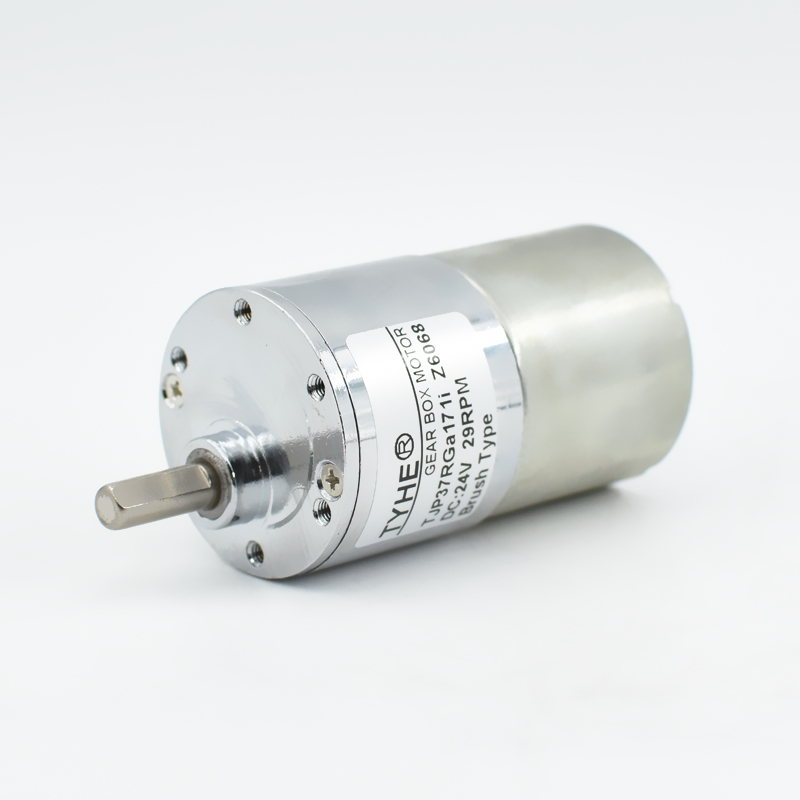
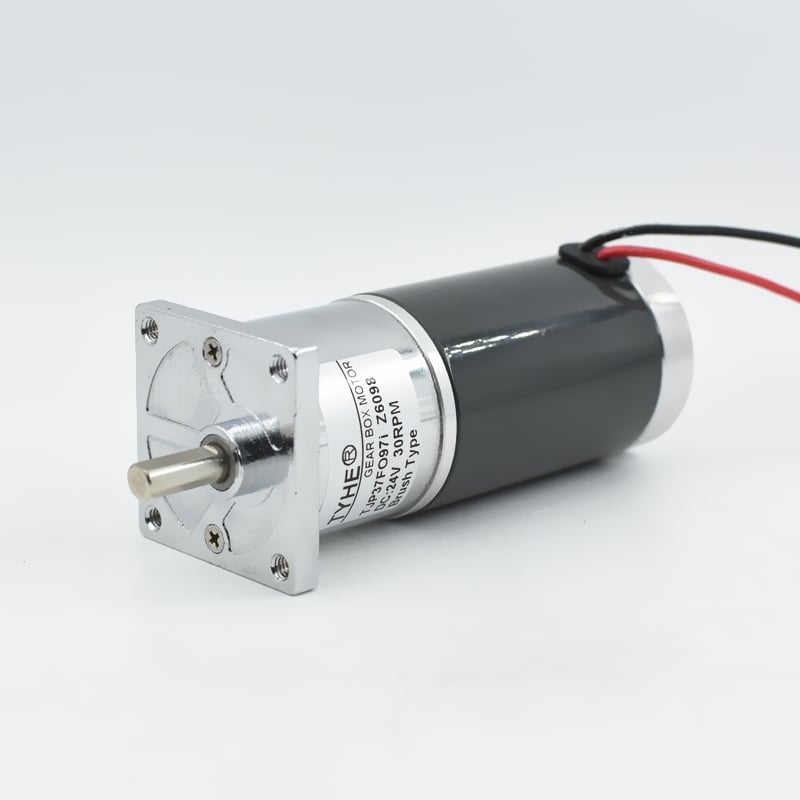
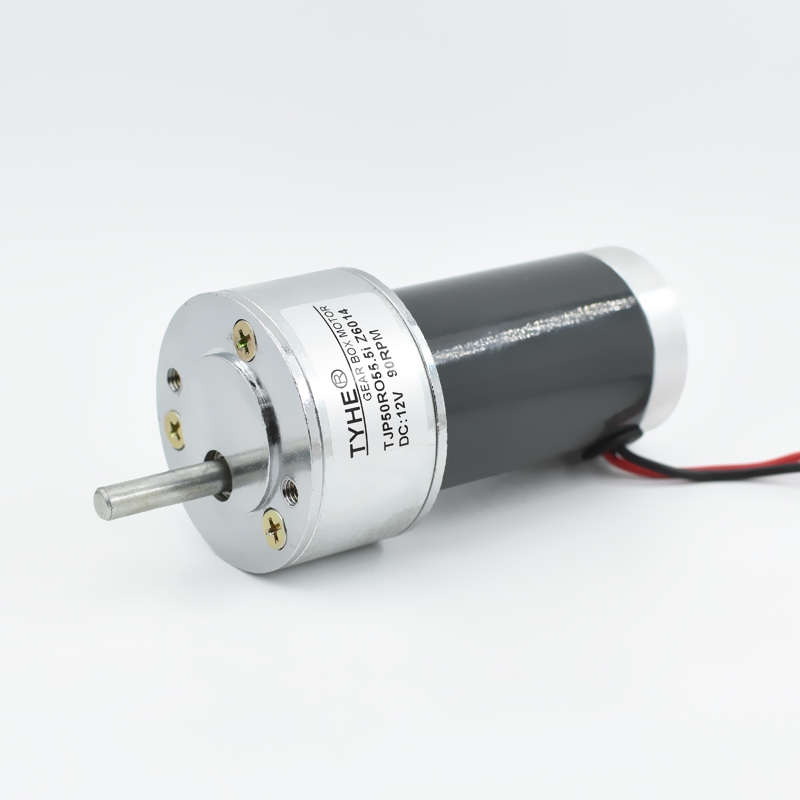
A worm gear stepper motor combines a stepper motor with a worm gearbox to deliver controlled, high-torque movement at a reduced speed. The worm gear stepper motor converts electrical pulses into measured shaft steps, allowing equipment to move to repeatable positions without relying on a separate position sensor in many applications. Its gearbox increases output torque, lowers output speed, and can help hold a load when power is removed, depending on the gear design and load conditions. The worm gear stepper motor is therefore suited to systems that need steady motion, compact installation, and reliable load control. Main functions include starting, stopping, indexing, lifting, rotating, feeding, and positioning mechanical components. A worm gear stepper motor typically includes a permanent magnet or hybrid stepper motor, a worm shaft, a worm wheel, bearings, a housing, and an output shaft. Key technological features may include high reduction ratios, self-locking or load-holding performance, low backlash options, sealed housings, and compatible driver connections. Some models support microstepping, which produces smoother movement and lowers vibration. The worm gear stepper motor can also provide strong starting torque and accurate repeatability at low speeds. Engineers select the motor by checking required torque, speed, duty cycle, load direction, mounting space, voltage, and environmental conditions. Common applications include conveyor feeders, valve actuators, medical equipment, packaging machines, solar trackers, laboratory instruments, display systems, and automated gates. The worm gear stepper motor offers a practical balance between controlled motion, mechanical strength, and installation flexibility.

 EN