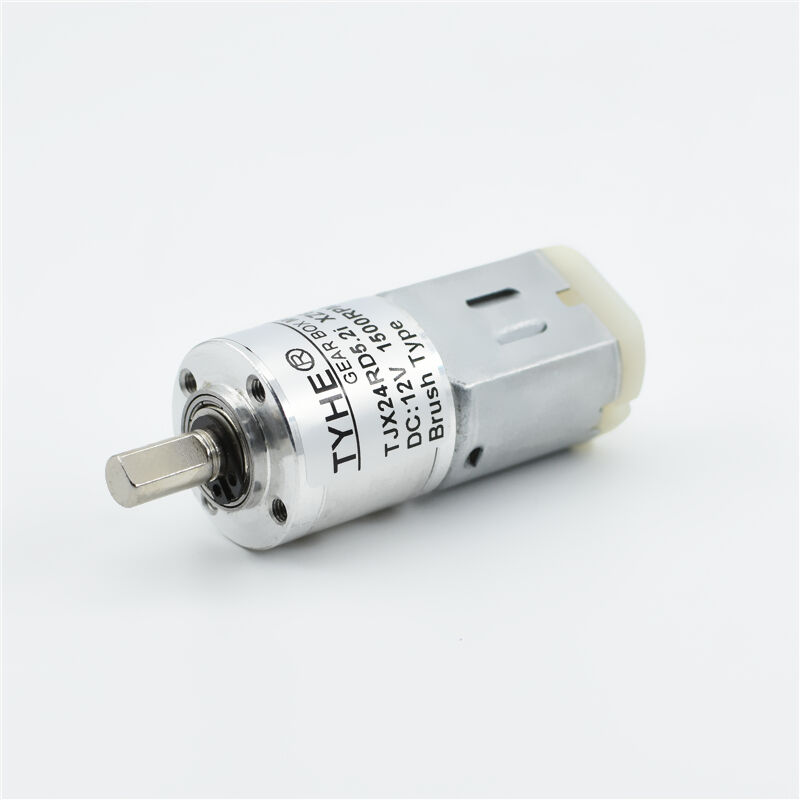
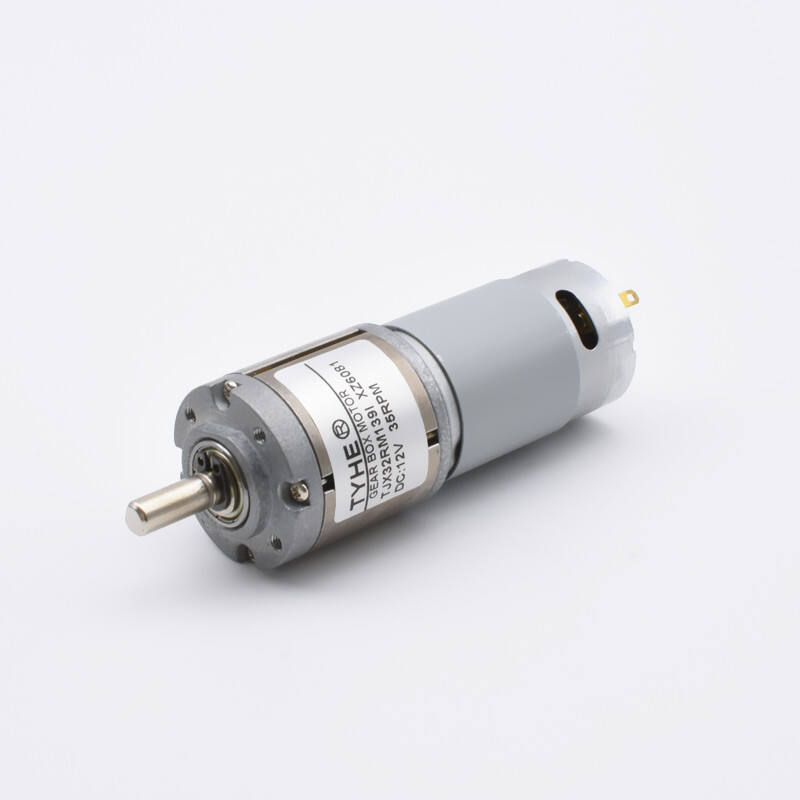
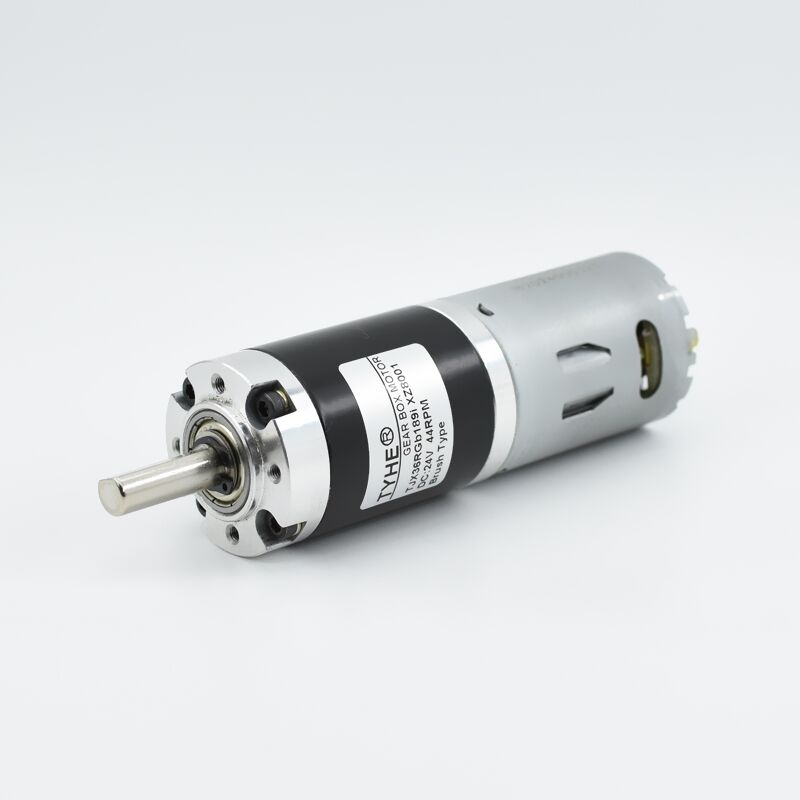
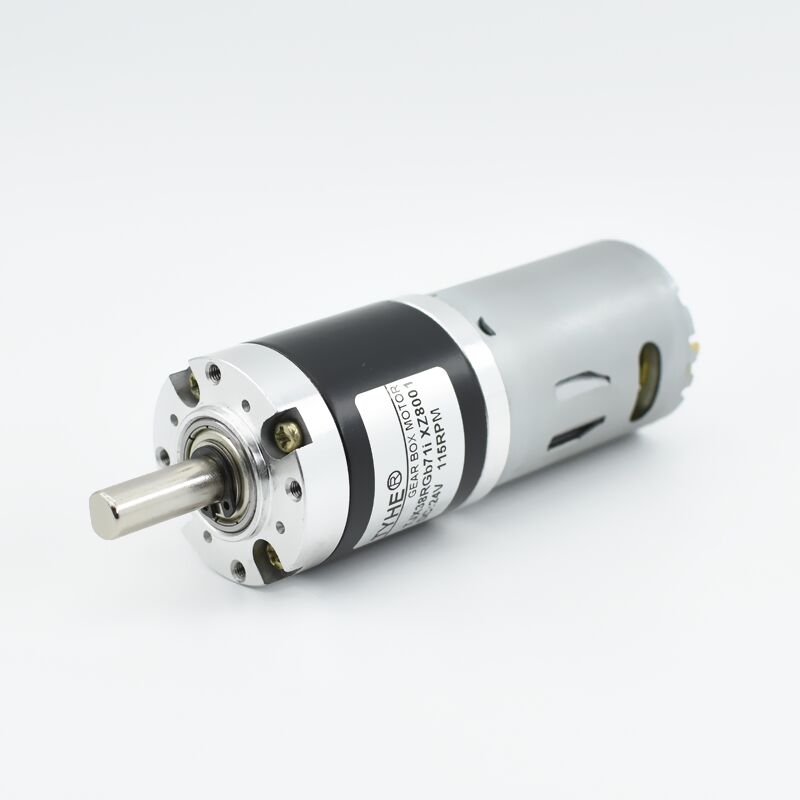
60 ot/min dc převodový motor
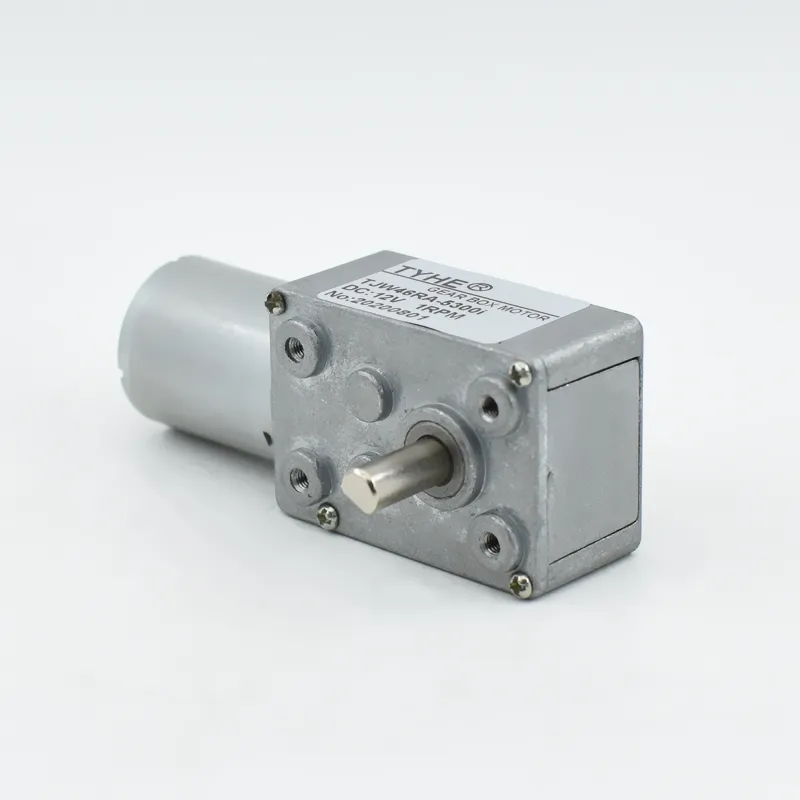
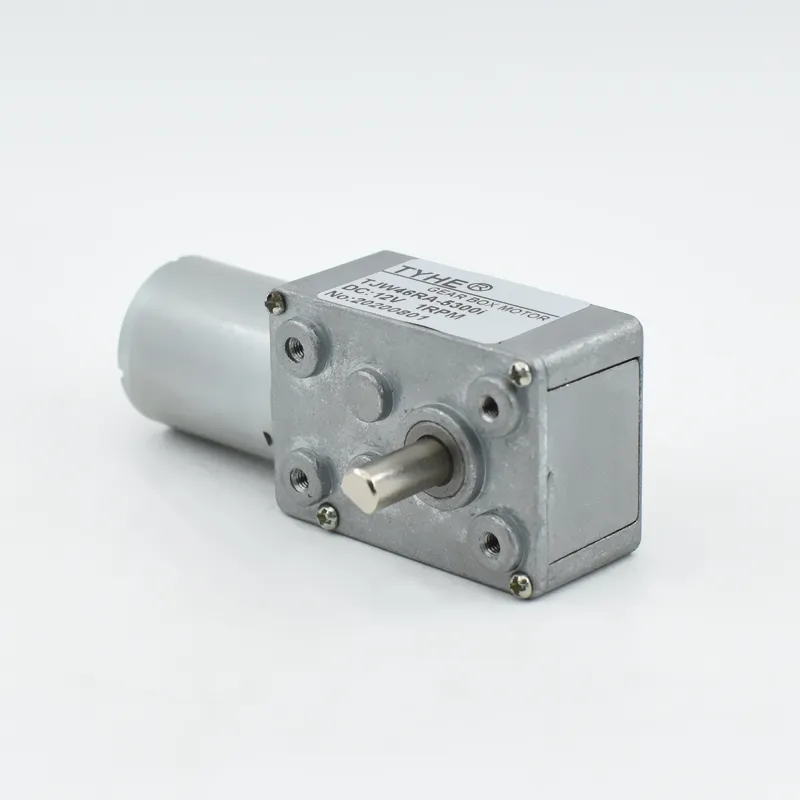
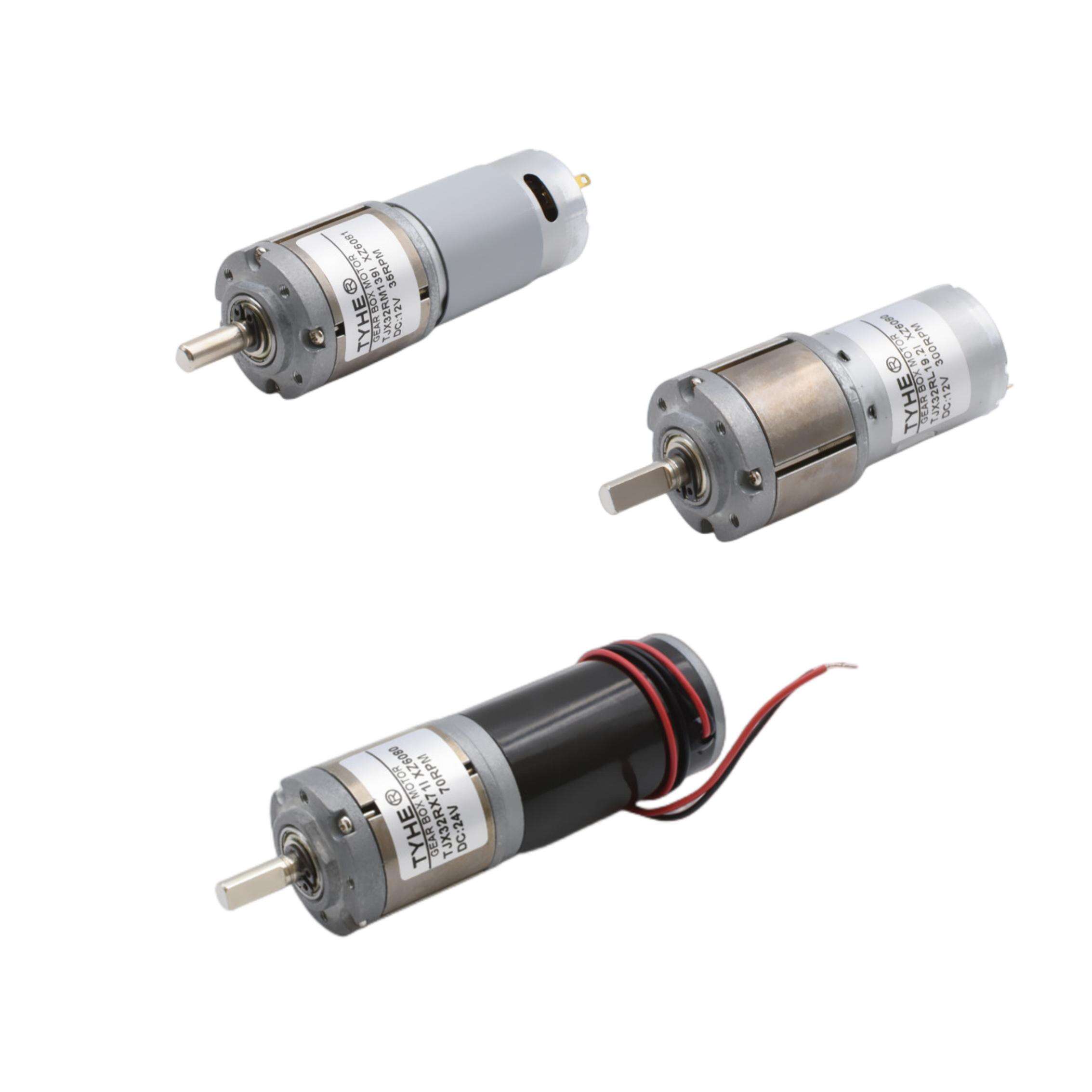
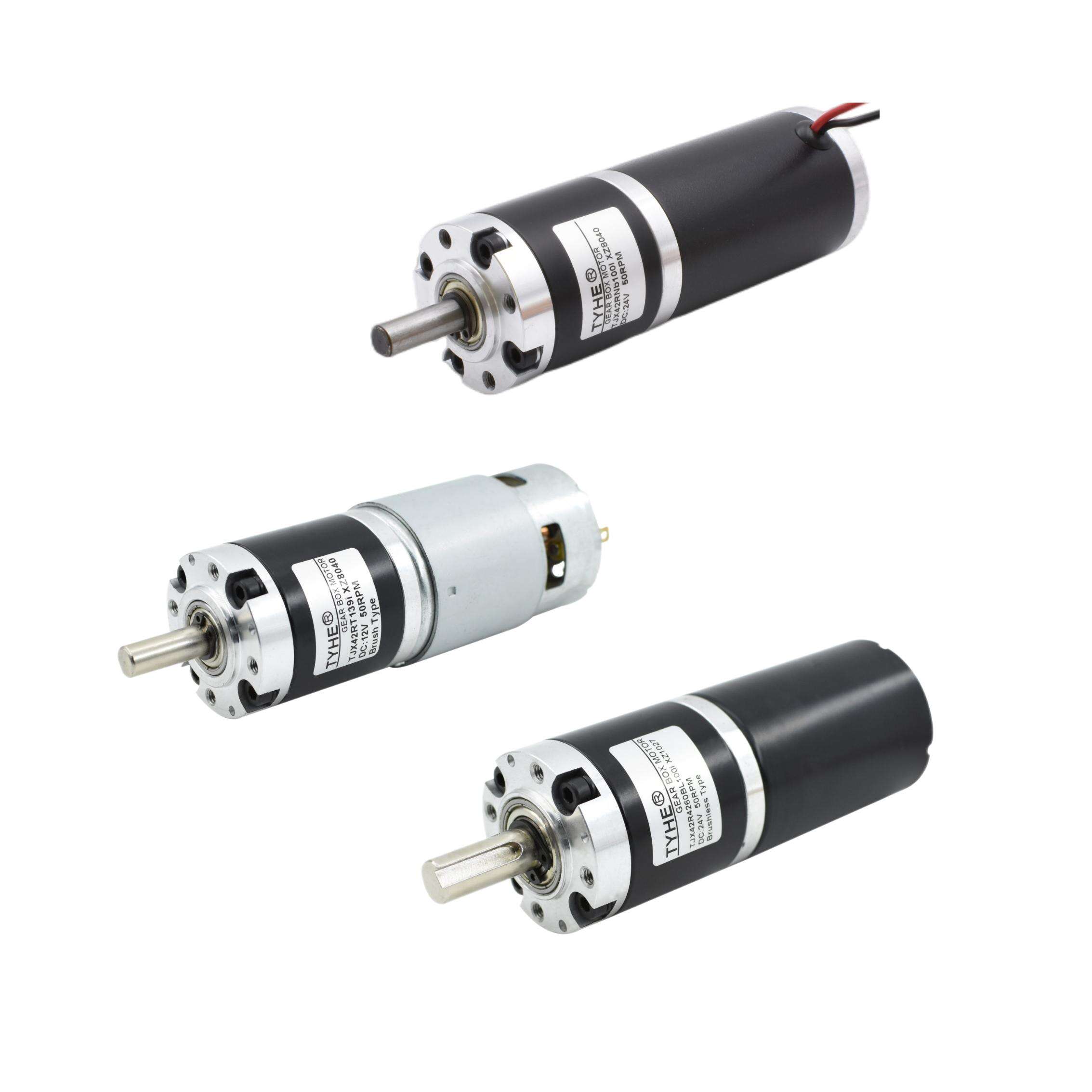
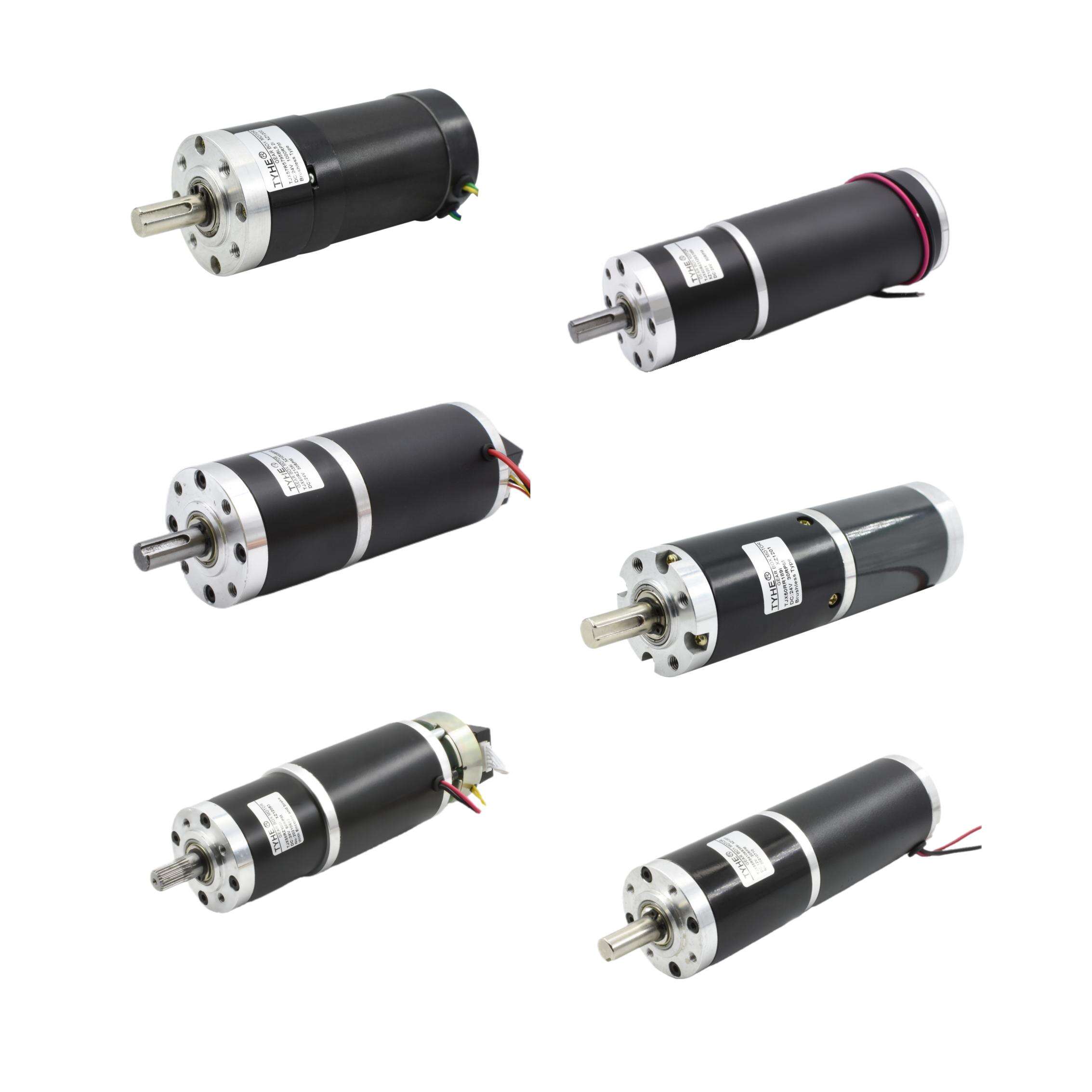
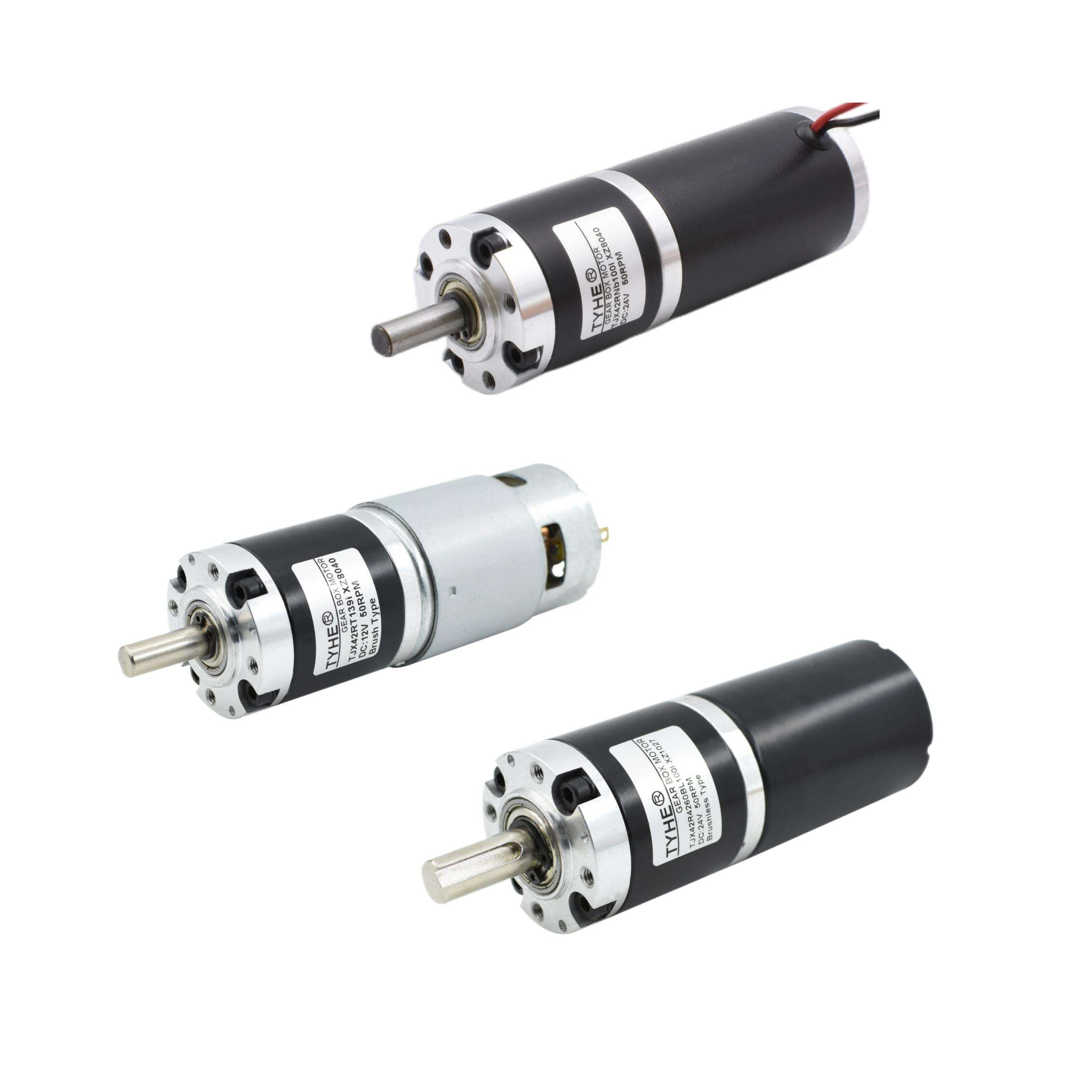
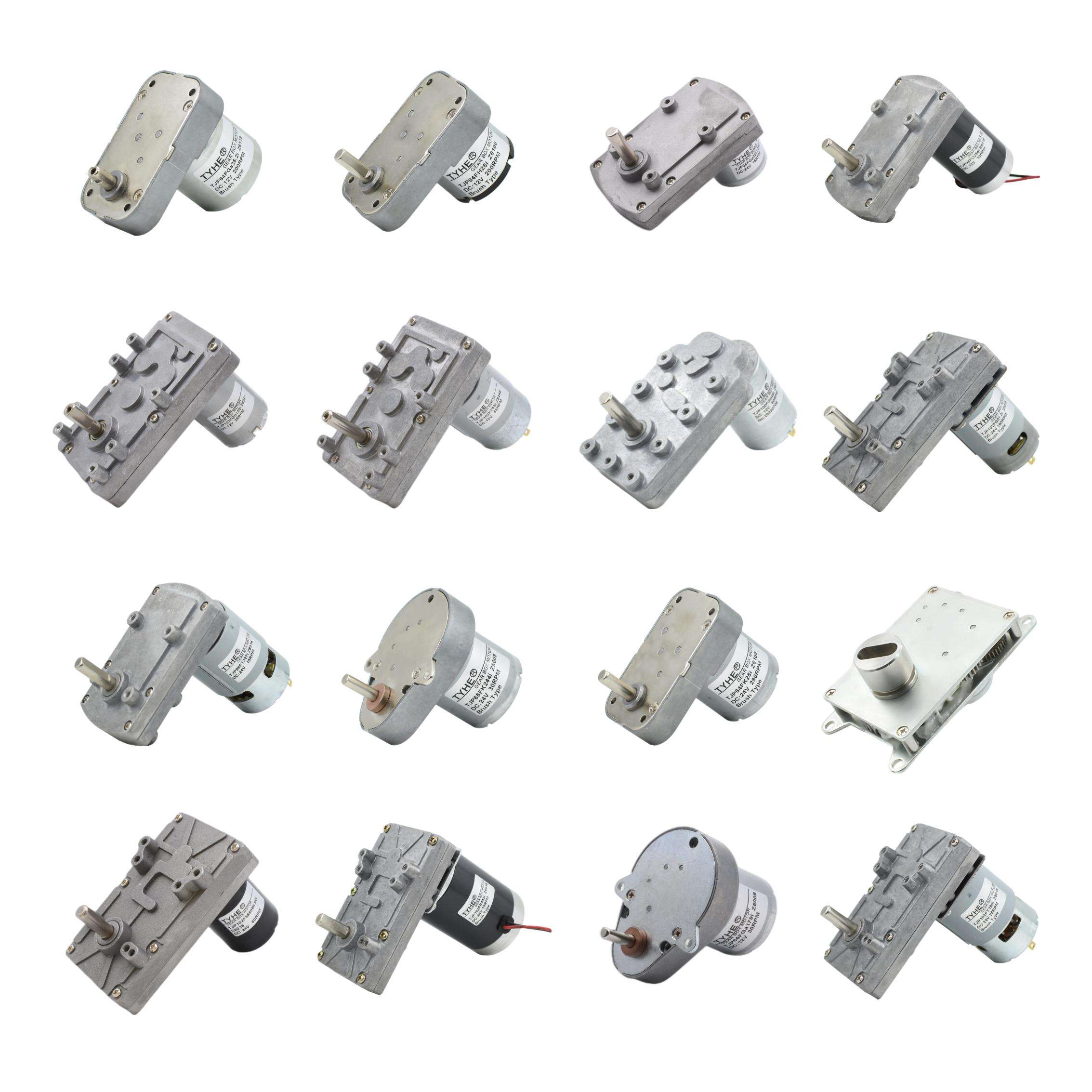
Stejnosměrný redukční motor 60 rpm představuje klíčovou součást v aplikacích přesného řízení pohybu, který zajišťuje stálou otáčkovou rychlost prostřednictvím integrovaného převodového systému. Tento speciální motor kombinuje běžný stejnosměrný motor s planetovým nebo šnekovým převodovým ústrojím, aby dosáhl přesně stanovených 60 otáček za minutu. Hlavní funkcí tohoto motoru je přeměna elektrické energie na mechanický rotační pohyb při zachování stálého krouticího momentu za různých provozních podmínek. Technologický základ spočívá v elektromagnetických principech, kdy stejnosměrný proud prochází vinutím kotvy a vytváří magnetická pole, která interagují s permanentními magnety a generují rotační sílu. Integrovaný převodový systém snižuje vysokou rychlost výstupu základního motoru na požadovaných 60 rpm a současně zvyšuje výstupní krouticí moment, čímž se stává ideálním pro aplikace vyžadující řízený a výkonný pohyb. Mezi klíčové technologické vlastnosti patří možnosti konstrukce s kartáčky nebo bez kartáčků, přičemž bezkartáčkové varianty nabízejí vyšší odolnost a snížené nároky na údržbu. Převodový mechanismus obvykle využívá planetové převody, které zajišťují hladký chod a kompaktní konstrukci, nebo šnekové převody, které poskytují vysoké převodové poměry a vynikající zadržovací moment. Pokročilé modely zahrnují systémy zpětné vazby s enkodéry, které umožňují přesné řízení polohy a regulaci otáček. Skříň motoru využívá odolné materiály, jako je slitina hliníku nebo ocel, aby odolala průmyslovému prostředí a zároveň zajišťovala optimální odvod tepla. Aplikace zahrnují mnoho odvětví, včetně robotiky, dopravních systémů, automatizované výrobní techniky a balicích strojů. V robotice pohání motor 60 rpm dc rotační pohyby kloubů, které vyžadují přesné polohování a řízené rychlosti. Výrobní automatizace spoléhá na tyto motory pro systémy manipulace s materiálem, součásti montážních linek a zařízení pro kontrolu kvality. Stálý výstup otáček je zvláště cenný v aplikacích, kde je kritická synchronizace času, jako jsou synchronizované víceosé systémy nebo sekvenční zpracovací operace. Jejich kompaktní rozměry a spolehlivé provozní vlastnosti učinily z těchto motorů nezbytné součásti moderních řešení průmyslové automatizace.

 EN
EN